Waste Tires High-Purity Rubber Powder Production: Process and Raw Material Selection
Currently, the global resource utilization of waste tires is entering a period of rapid development. Every year, the number of scrapped tires is increasing, urging the tire recycling market to continuously optimize and upgrade to meet the rapidly growing demand for waste management. This also proves that there are huge business opportunities in the recycling industry of used tires.
At GEP ECOTECH, we have recently received a growing number of inquiries about tire grinding lines. One trend is particularly clear: more and more customers are paying close attention to the purity of the rubber powder produced, especially fiber residue, because purity directly affects product value, application range, and long-term profitability. This is exactly why process design and raw material selection must be considered together.
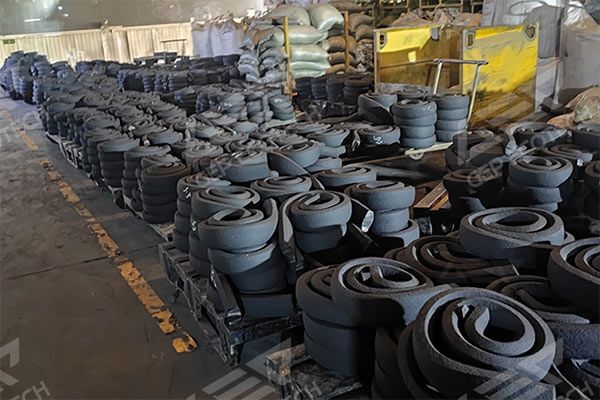
Against the backdrop of mechanical recycling of tires becoming the mainstream choice, data shows that the recycling price of rubber powder fluctuates between USD 200 and USD 280. In addition to explicit benefits, governments in multiple countries also have different subsidy policies for the disposal of waste tires, bringing hidden benefits to investors. Rubber powder can be used to manufacture recycled rubber, modified asphalt, as well as in construction, civil engineering, and industrial fields. Compared with coarse rubber powder, fine rubber powder has fewer restrictions on its application range, and its selling price and profit are also higher. So, how can we produce high-quality and high-purity rubber powder?
The challenges in producing high-quality tire rubber powder and the limitations of the existing processes
From a technical perspective, tires are not pure rubber; they are composed of layers of rubber, steel wire, and fibers. There are several difficulties in producing high-purity rubber powder using car tires:
Complexity of tire structure:
Car tires contain multiple layers of fibers, such as polyester, nylon, and rayon, as the skeleton material. Fiber and rubber are deeply cross-linked through adhesive, with extremely strong physical bonding. Micro-sized fiber fragments will be embedded into the rubber matrix.
Removal limits of existing processes:
Airflow sorting uses density differences for separation and can remove 80–90% of loose fibers, but fine fibers (<0.5 mm) are prone to co-floating with rubber.
Vibration screening separates by size and can only remove incompletely dissociated fiber clusters; it is ineffective for ultrafine fibers.
Electrostatic sorting uses conductivity differences and can effectively separate some synthetic fibers such as nylon, but its efficiency is unstable and it cannot work for all types of fibers.
Low-temperature frozen tire grinding lines cool tires to -80°C using liquid nitrogen (LN2) or turbo-expanders before brittle-state milling. For every ton of rubber powder produced, 0.35–1.5 tons of LN2 are required. Turbo-expander systems save 33% compared with LN2 but require 480+ kWh/ton. Compared with ambient-temperature tire grinding lines, the investment in low-temperature tire grinding lines far exceeds the profit, and they are basically not adopted commercially.
Advantages of the GEP ECOTECH tire rubber powder production line
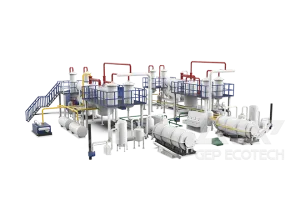
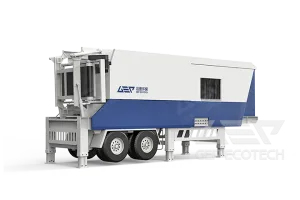
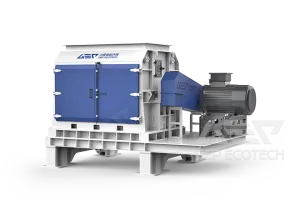
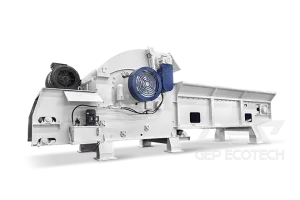
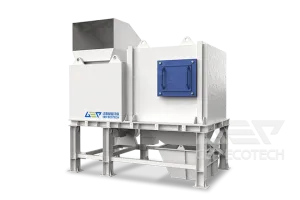
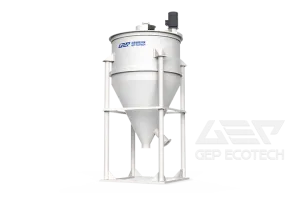
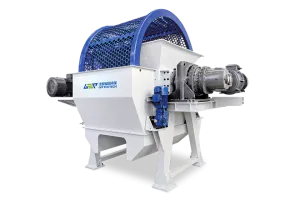
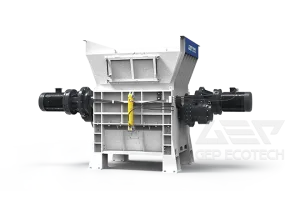
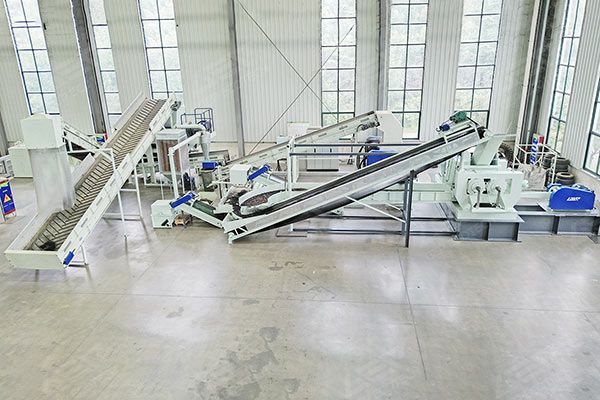
To produce high-quality rubber powder with low impurity content, especially fiber, the most ideal and only reliable raw material is waste all-steel radial truck/bus tires (TBR). Strict classification at the source is essential to avoid mixing passenger car tires or bias tires containing fiber cords. GEP ECOTECH's tire grinding production solution invests sufficient technology and equipment in the grinding and sorting process, which can effectively remove steel wires and minimize fiber residue, ultimately obtaining high-quality rubber powder products:
Shredding equipment is equipped with an intelligent control system to improve production efficiency and reduce maintenance and labor costs;
High steel wire and fiber removal rate, with the highest purity of finished rubber powder reaching 99%;
Customized equipment that can meet different requirements for discharge size and output;
High-quality pre-sales, in-sales, and after-sales services throughout the entire project lifecycle.
Tiered Utilization of Tire Rubber Powder
For investors in tire grinding lines, because recycled tires come from different brands and the composition of different tire types varies, final product purity may also be uncontrollable. If it is not possible to ensure the type and proportion of tires in the production materials, this problem can also be solved through product grading:
≤1% fiber: used in high-value fields such as running track surfaces and high-end rubber products;
1–3% fiber: suitable for asphalt modification and sports field foundations;
3% fiber: used for cement kiln fuel or anti-corrosion floor mats.
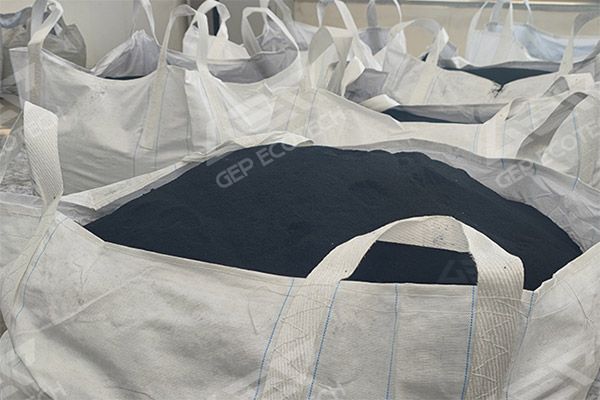
In fact, a very low amount of industrial reasonable fiber residue has no impact on the vast majority of applications. Such rubber powder is fully suitable for cost-sensitive applications that require large amounts of filling, emphasize buffering, drainage, and lightweight characteristics, or have low mechanical performance requirements, such as paving sports running tracks and making modified asphalt. Appropriate fiber content can actually increase material strength. In summary, the value of producing rubber powder through ambient-temperature mechanical recycling lies in the resource utilization of waste tires—maximizing the utilization of waste tires at the lowest cost while bringing considerable returns to investors.
At GEP ECOTECH, we have always closely followed the latest trends and supply-demand changes in the tire recycling industry. We continuously improve and optimize our production line design and solutions based on customer and market needs. With rich industry experience, we welcome customers interested in entering this industry to consult us.