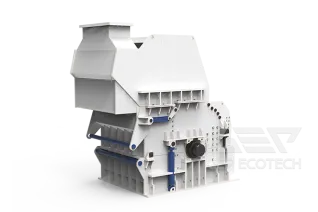
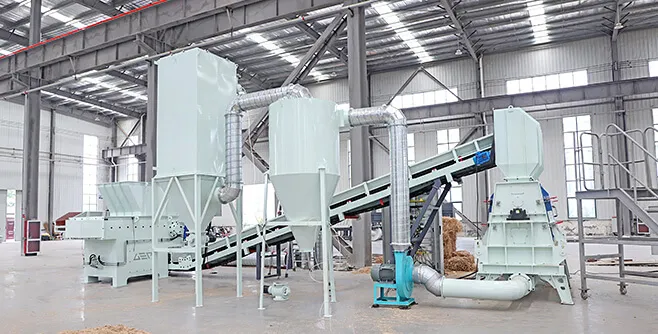
Heavy-Duty Hammer Crusher
Capacity: 5–10 TPH
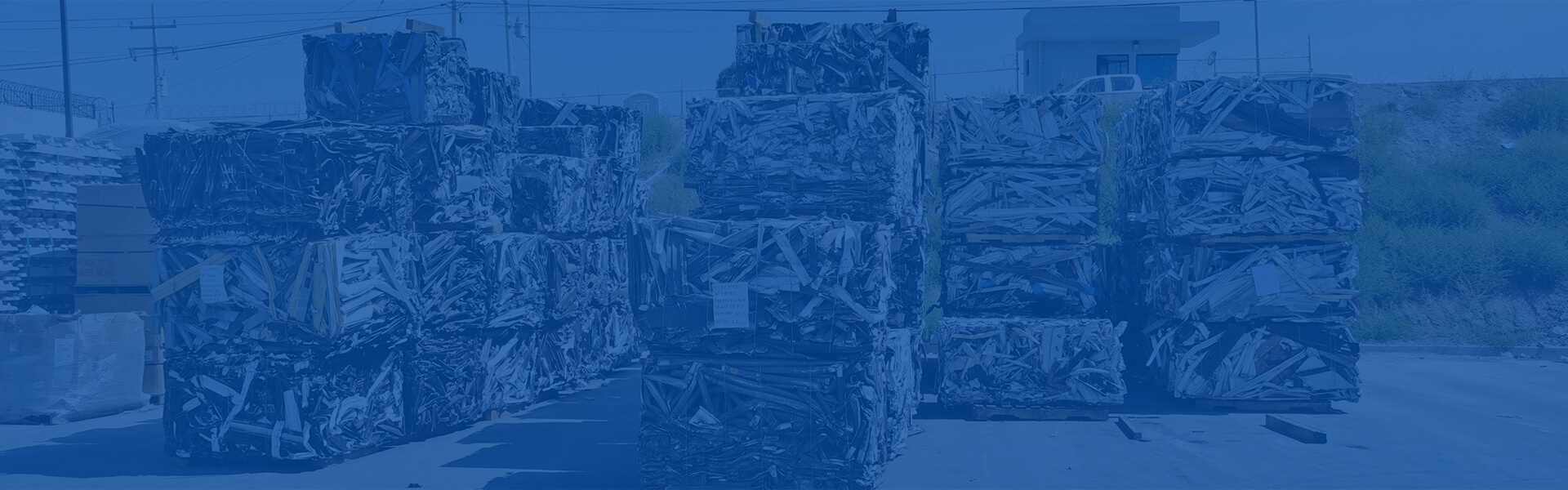
Aluminum scrap refers to discarded aluminum materials generated from manufacturing, construction, transportation, packaging, and municipal waste streams. Common types of aluminum waste include aluminum shavings and turnings, aluminum profiles, UBC (Used Beverage Cans), aluminum alloy doors and windows, aluminum sheets and plates, aluminum extrusions, aluminum wheels, automotive parts, engine components, radiator scrap, cable scrap, foil scrap, and obsolete aluminum equipment. Through proper recycling and processing, aluminum scrap can be re-melted and converted into secondary aluminum for the production of new products such as machinery components, construction materials, automotive parts, packaging, and household goods. Efficient aluminum waste management helps conserve natural resources, significantly reduce energy consumption compared to primary aluminum production, and minimize environmental impact, making aluminum recycling a vital part of the circular economy.
UBC
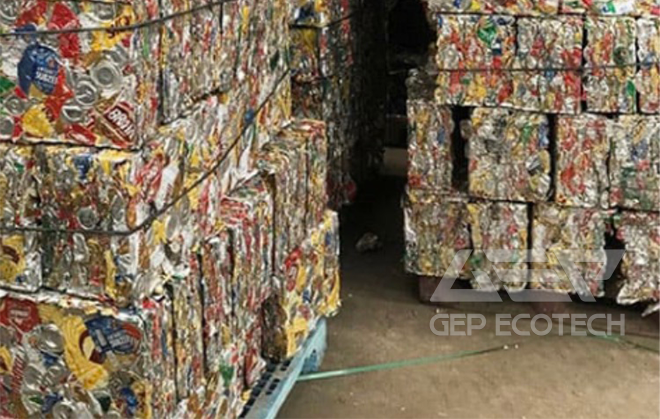
Before Shredding
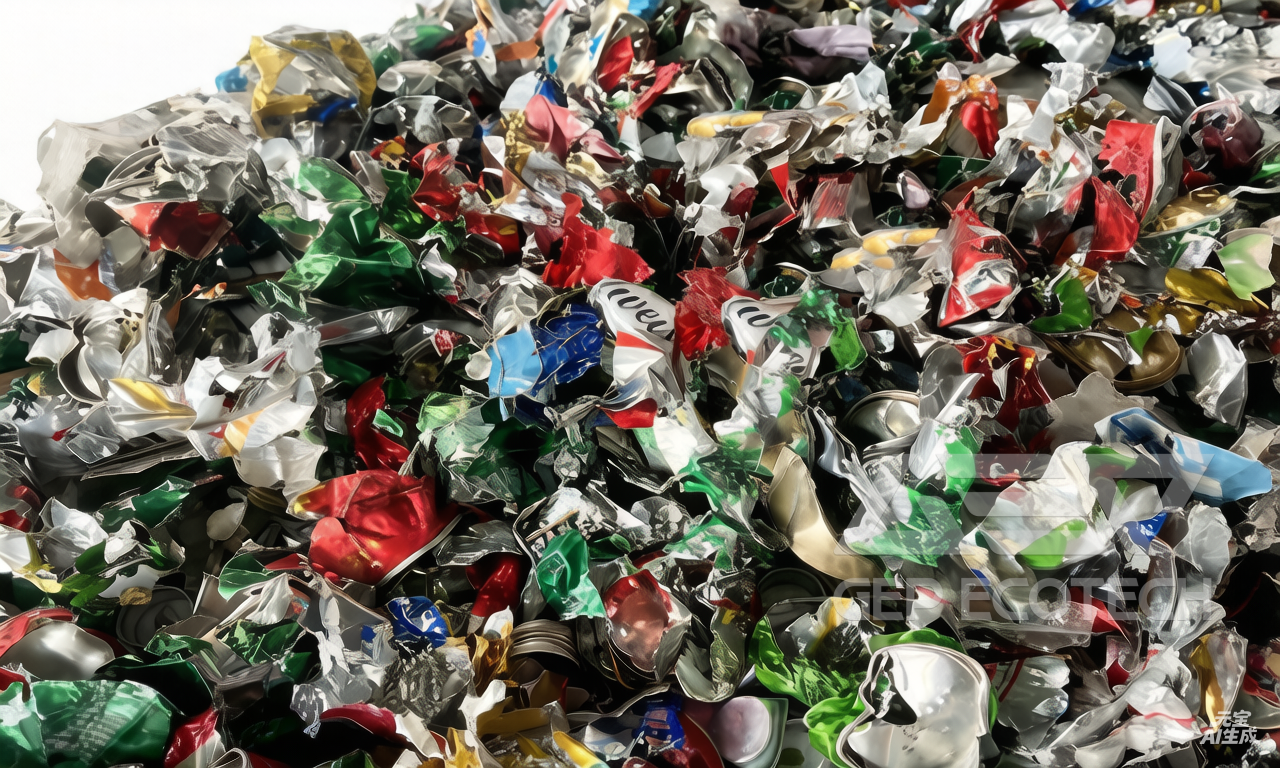
After Shredding
Aluminum Bales
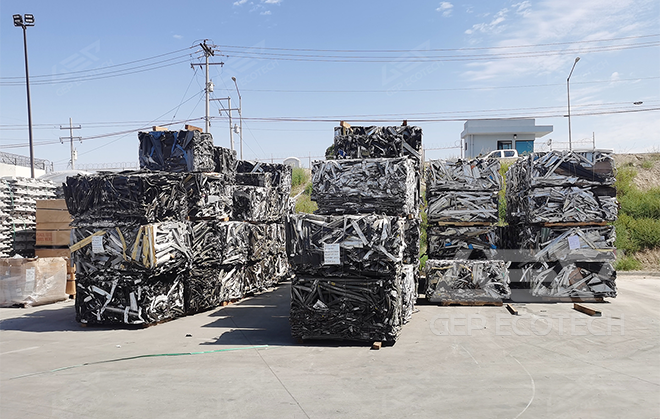
Before Shredding
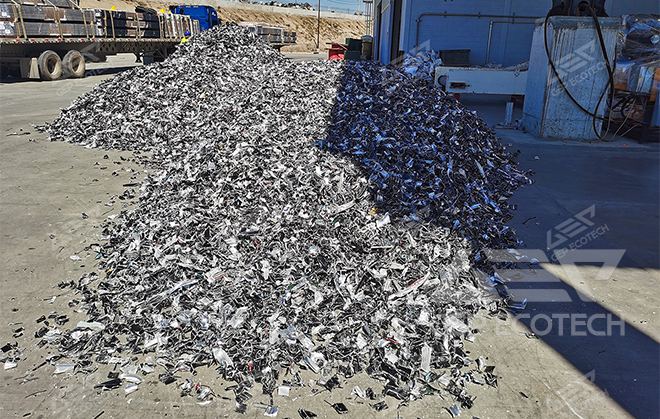
After Shredding
Aluminum Blocks
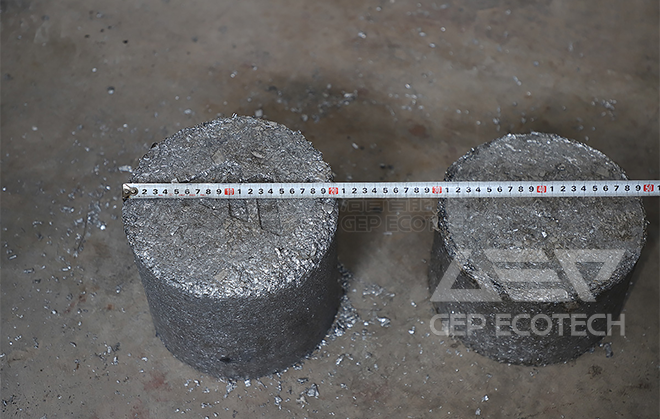
Before Shredding
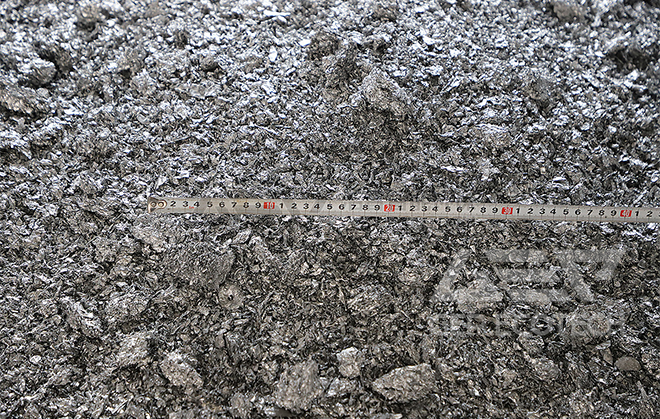
After Shredding
Aluminum Foil
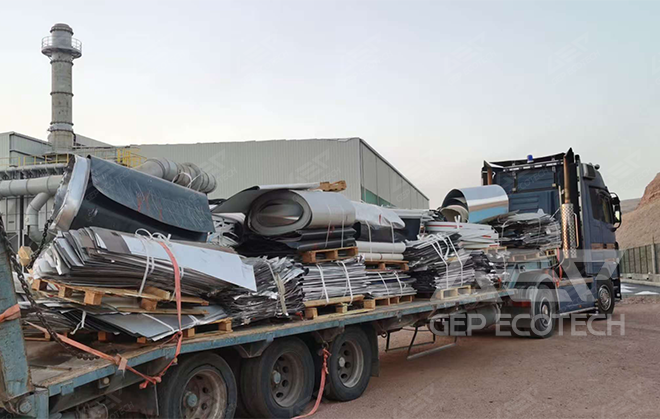
Before Shredding
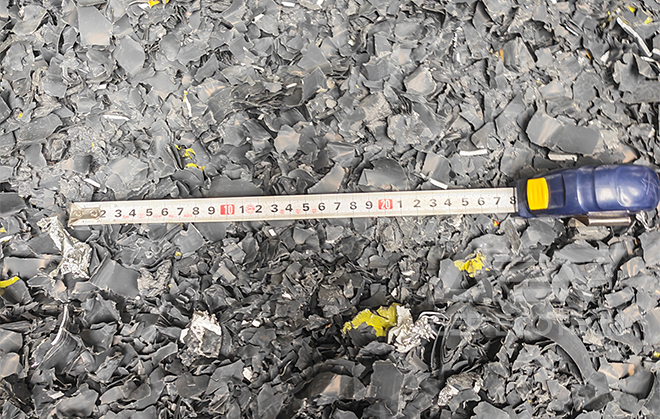
After Shredding
Aluminum Window Frame
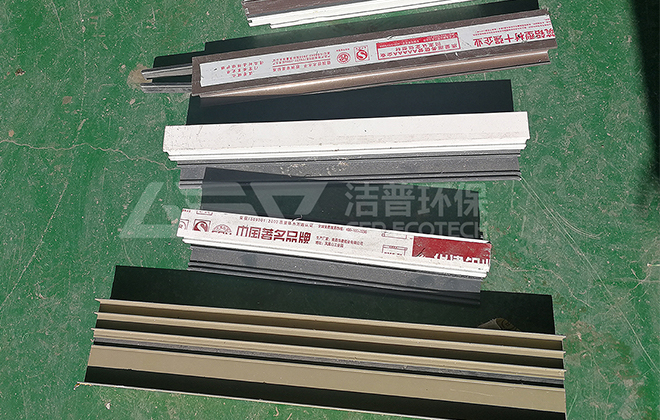
Before Shredding
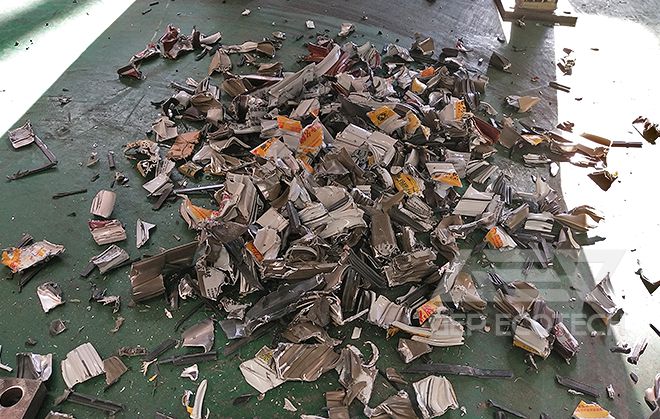
After Shredding
Aluminum Tube
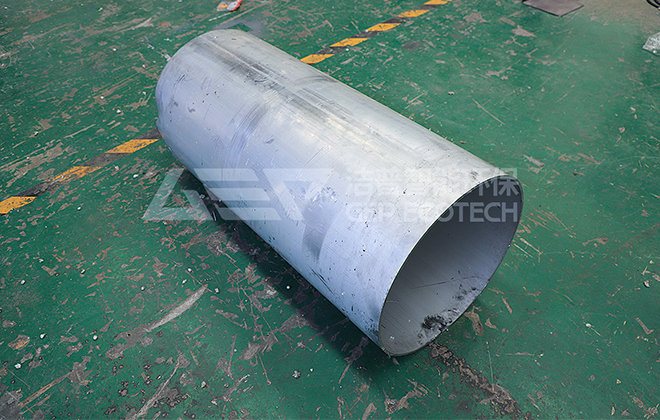
Before Shredding
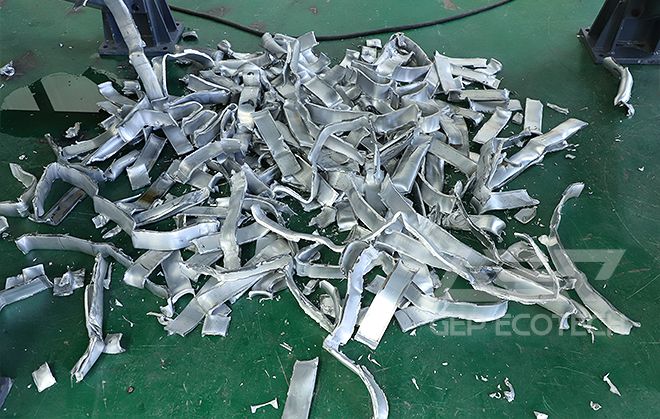
After Shredding
Aluminum Casting
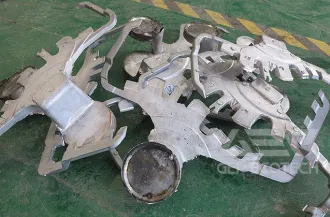
Before Shredding
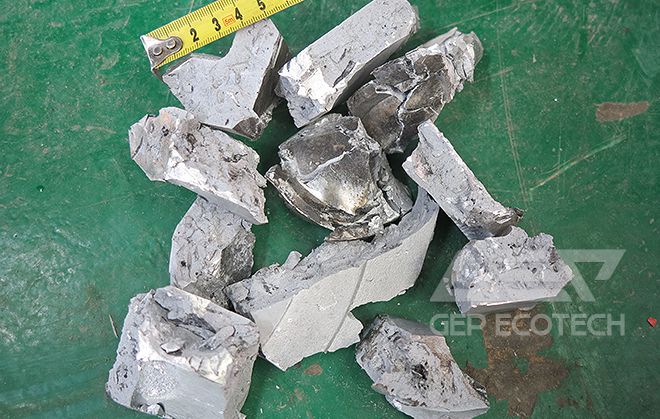
After Shredding
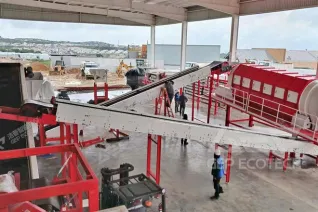
Aluminum scrap is conveyed via a chain conveyor into a twin-shaft shredder, where blades perform shearing, pressing, and tearing actions to reduce the material size. The shredded material falls onto an output belt and passes through magnetic separators to remove any residual ferrous metals, while separating aluminum and non-metallic fractions. The aluminum and remaining non-metals are further processed through additional magnetic and eddy current separators to ensure maximum recovery of aluminum, improving efficiency and yield.

Chain Plate Conveyor

Double Shaft Shredder

Magnetic Separator

Belt Conveyor

Eddy Current Separator
Note: This outlined process represents a general configuration, which is customizable to meet specific feedstock and final product requirements.
Capacity: 5–10 TPH
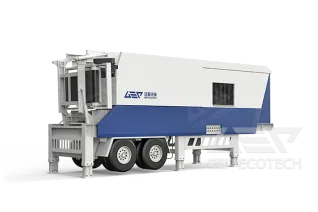
Capacity: 3–40 TPH
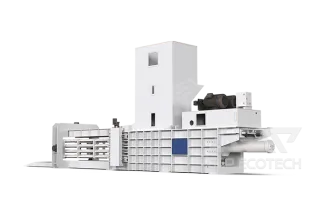
Capacity: 1–20 TPH

Magnetic Field Strength: 60–70 mT
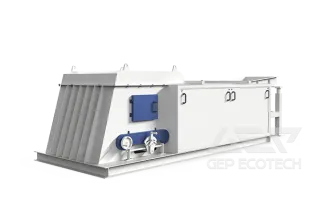
Capacity: 6-40 m³/h
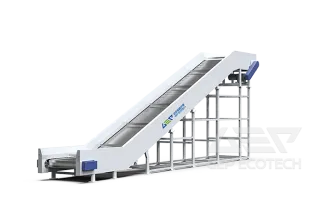
Capacity: 45–200 m³/h
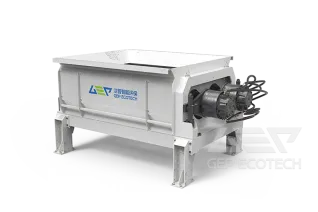
Capacity: 10–60 TPH
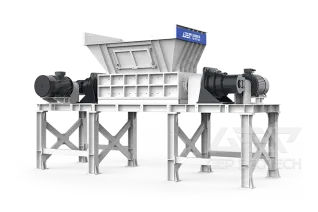
Capacity: 0.2–50 TPH
Your material is not included?
Send your inquiry for further information.