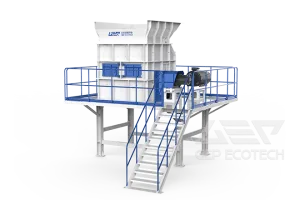
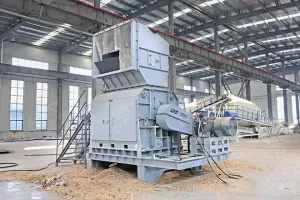
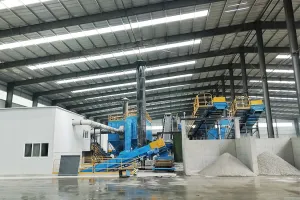
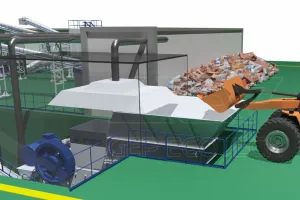
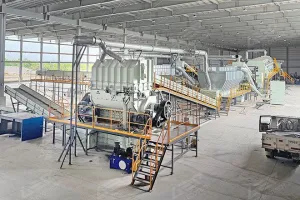
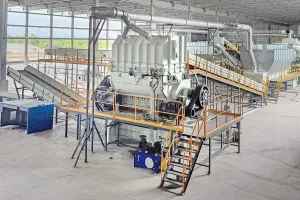
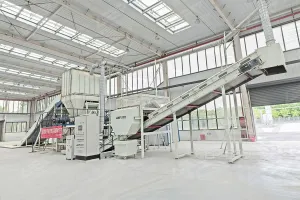
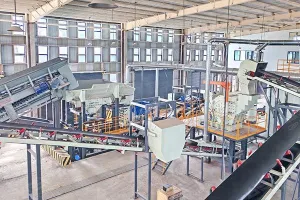
The GPD Series Bag Opener is designed as a front-end processing machine for MSW and packaged materials. Positioned before primary shredding or sorting systems, it gently tears open plastic bags without excessively damaging the materials inside. Its rotating drum and specially arranged tearing hooks loosen compacted waste, release enclosed materials, and create a uniform, free-flowing feed for downstream treatment. The drive system ensures stable operation across different waste compositions, while adjustable drum speed allows operators to control opening intensity.
The GZP Series Drum Chipper is an industrial-grade shredding machine for biomass pre-processing, efficiently producing uniformly sized chips for biomass power plants, pulp & paper, organic waste processing and composting. Its heavy-duty drum with sharp cutters rotates at a high speed, powerfully processing woody and fibrous materials from logs and pallets to agricultural waste into consistent fragments, ideal for efficient combustion. It is an indispensable link in sustainable energy production.
The GXB Series Hammer Mill delivers powerful, versatile grinding for agricultural, forestry, and industrial materials, efficiently processing biomass waste, straw, and feed ingredients into uniform, fine particles. Driven by an electric motor, its high-speed rotor with hardened cutters, shreds material through cutting and impact, while a large surrounding screen ensures consistent output size by allowing only properly sized particles to pass through.
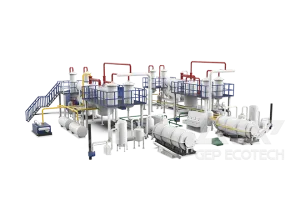
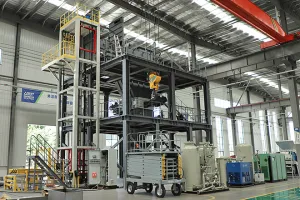
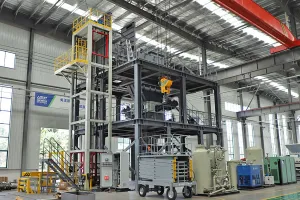
The GEP ECOTECH Waste Tire Pyrolysis System transforms end-of-life tires into valuable resources. Using thermal pyrolysis in a low-oxygen environment, it efficiently converts waste tires into pyrolysis oil, carbon black, and combustible gas. This process not only provides a sustainable recycling solution but also turns waste into profitable commodities.
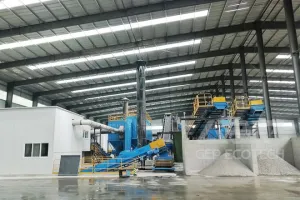
Stationary Construction Waste RecyclingCrushing and sorting solution produces high-purity recycled aggregates.Integrated system ensures stable, continuous, efficient operation.Modular screening, wind sifting ensure consistent output quality.Precise separation recovers metals, turning waste into revenue.Stationary Demolition Waste RecyclingMulti-stage sorting ensures high-purity output, reduces crusher wear.Sorting-first pre-removes impurities, reducing crushing volume, difficulty.Streamlined flow ensures stable operation, high recovery.Waste becomes marketable aggregates, cutting costs, earning revenue.Mobile C&D Waste RecyclingEnables quick transport, on-site setup, immediate source operation.Eliminates long-distance transport, landfill fees via on-site processing.Modular plug-and-play design configures easily for diverse projects.No permanent foundations; high resale value, easy relocation.Dust suppression, optional washing ensure local environmental compliance.
GEP ECOTECH has extensive experience in providing shredding, fuel blending, destruction and recycling for the hazardous waste disposal industry. Whether you are recycling materials, disposing of them in a non-hazardous manner or burning them for energy, GEP ECOTECH can provide you with efficient, safe and stable solutions to help hazardous waste disposal companies improve their safety and economic value.
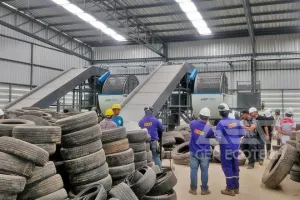
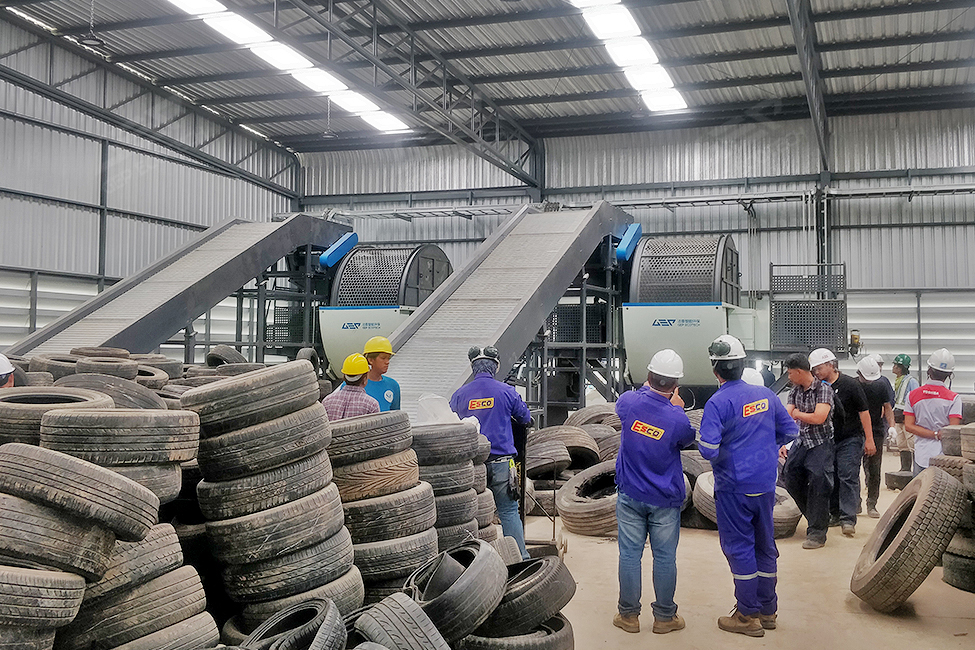
Waste tires are known as "black gold mines" and are of great recycling value. For example, direct retreading and reuse, recycling steel wire to make steel, rubber grinding to make rubber powder, pyrolysis to make oil, cement rotary kiln or power station alternative fuel (TDF), etc., the benefits are considerable.
Solid waste is fed into the shredding plant using a belt or feeder to reduce the material to the required size. For most materials, a twin or four-shaft shredder can be used to process the material to the target size in one pass; for piles or bales, a pre shredder can be used to increase production and reduce the wear and tear on the core equipment. Use of an iron remover to remove ferrous materials and windrow or other equipment to remove other materials that cannot be burned. Pressing the material into pellets or lumps (optional).
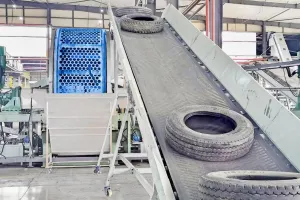
A Southeast Asian tire manufacturer first consulted us in 2024 and finally purchased a 1 t/h tire wire separation line in 2025. It processes waste tires up to 1,200 mm; 80% are standard car tires, and tires with a diameter of ≥800 mm are debeaded before shredding. The line includes a tire debeader, feeding conveyor, GDT double-shaft shredder with trommel screen for discharge around 50 mm rubber chips, and GFT tire wire separator (tire rasper), producing 10–15 mm steel-free rubber granules, which are used to make higher-mesh crumb rubber for further devulcanization into reclaim rubber. With continuous, even feeding of varied materials, it runs smoothly. The customized configuration ensures stable output and easy maintenance. Currently, the equipment operates well with no quality issues, and the customer speaks highly of it.
A well-known tire recycling company in South America needed a dependable solution to process end-of-life tires into TDF for alternative fuel in cement kilns. The feed mix is 60% off-road tires and 40% passenger car tires. The line includes a feed conveyor, a GDT8 double-shaft tire shredder with a 1200 mm × 850 mm shredding chamber, and a discharge conveyor. Under continuous, uniform feeding, it achieves 100 tires per hour and produces about 50 mm TDF. The customer is very satisfied: actual capacity fully meets design parameters, and output quality meets requirements. This robust configuration ensures smooth material flow and stable operation. The project provides a reliable reference for similar tire-derived fuel applications and has been running successfully since commissioning.
A famous environmental company from Taiwan selected our 30 TPH RDF production line for construction and domestic waste light fractions. The material is mixed, high in impurities, so the process combines the loading chain conveyor, GH13 hydraulic twin-shaft primary shredder, magnetic separator, two-stage trommel screen (under 15 mm soil and under 100 mm product), secondary magnetic separator, GFX1600 wind sifter, GSE330 heavy-duty single-shaft fine shredder and pulse-jet bag filter. Most output is ≤50 mm RDF. The highlights of this RDF line include strong material adaptability, powerful two-stage shredding, two-stage screening, high automation, low energy use and no secondary pollution. Equipment quality and service differentiated us; the client visited our factory and site before confirming cooperation. The client is satisfied with our pre-sales and after-sales service and says it has found a reliable partner.
GEP ECOTECH delivered a high-performance bulky waste disposal system with a capacity of ≥8 TPD for a leading environmental protection company in Anhui. The project tackles key challenges of urban bulky waste—large volume, heavy weight, and mixed soft-hard materials that often cause jamming in conventional shredders. To solve this, GEP ECOTECH provided the hydraulic twin-shaft shear shredder (GH10) with chain conveyor, belt conveyor, magnetic separator, and pulse dust removal system. This tailored configuration fully reflects GEP ECOTECH's core strengths: deep understanding of complex waste streams, proven anti-jamming and anti-winding technology, durable high-alloy steel cutters for extended service life, and intelligent GI system enabling real-time monitoring and automatic fault protection. The result is energy-efficient, dust-free, fully automated operation, significantly reducing volume and preparing iron and light materials for incineration.
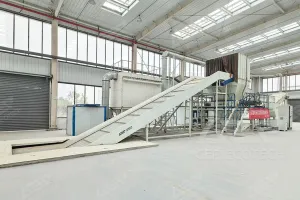
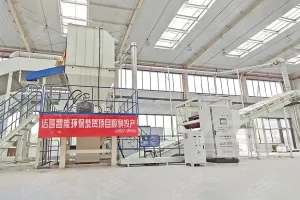
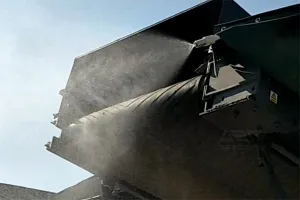
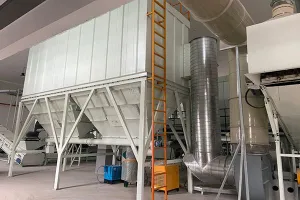
Construction waste crushing lines—jaw crushers, impact crushers and multi-layer vibrating screens—generate substantial dust. Without effective control, dust pollutes the workplace, affects workers' health and may lead to complaints or environmental penalties. Efficient dust removal is therefore essential for resource utilization. Recently, GEP ECOTECH handled a construction waste recycling project in Russia. The client required reliable dust control for an enclosed plant. We provided two options—wet dust reduction and dry dust reduction—and compared them against the project's climate, plant layout, material requirements and environmental targets. This article summarizes the comparison and the selection logic.Wet Dust Reduction: Principle and Best-Fit ApplicationsWet dust reduction uses water sprays or sprinklers to wet, capture and coalesce airborne dust, causing particles to settle or be carried away. Spray nozzles are placed at crushing, screening, discharge and conveyor transfer points; sprinklers cover