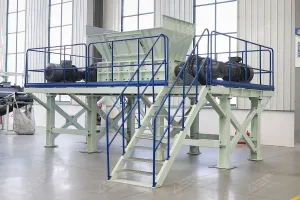
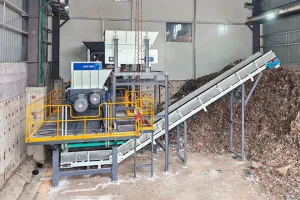
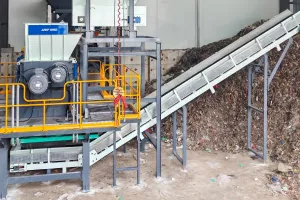
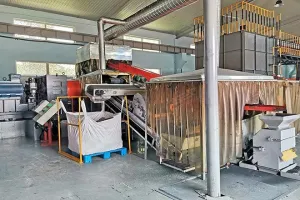
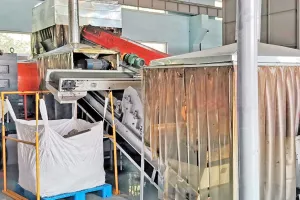
The GZP Series Drum Chipper is an industrial-grade shredding machine for biomass pre-processing, efficiently producing uniformly sized chips for biomass power plants, pulp & paper, organic waste processing and composting. Its heavy-duty drum with sharp cutters rotates at a high speed, powerfully processing woody and fibrous materials from logs and pallets to agricultural waste into consistent fragments, ideal for efficient combustion. It is an indispensable link in sustainable energy production.
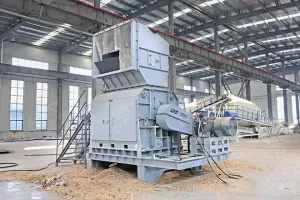
The GXB Series Hammer Mill delivers powerful, versatile grinding for agricultural, forestry, and industrial materials, efficiently processing biomass waste, straw, and feed ingredients into uniform, fine particles. Driven by an electric motor, its high-speed rotor with hardened cutters, shreds material through cutting and impact, while a large surrounding screen ensures consistent output size by allowing only properly sized particles to pass through.
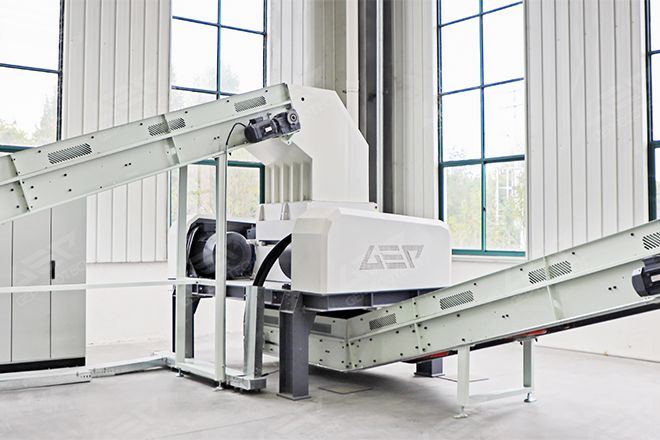
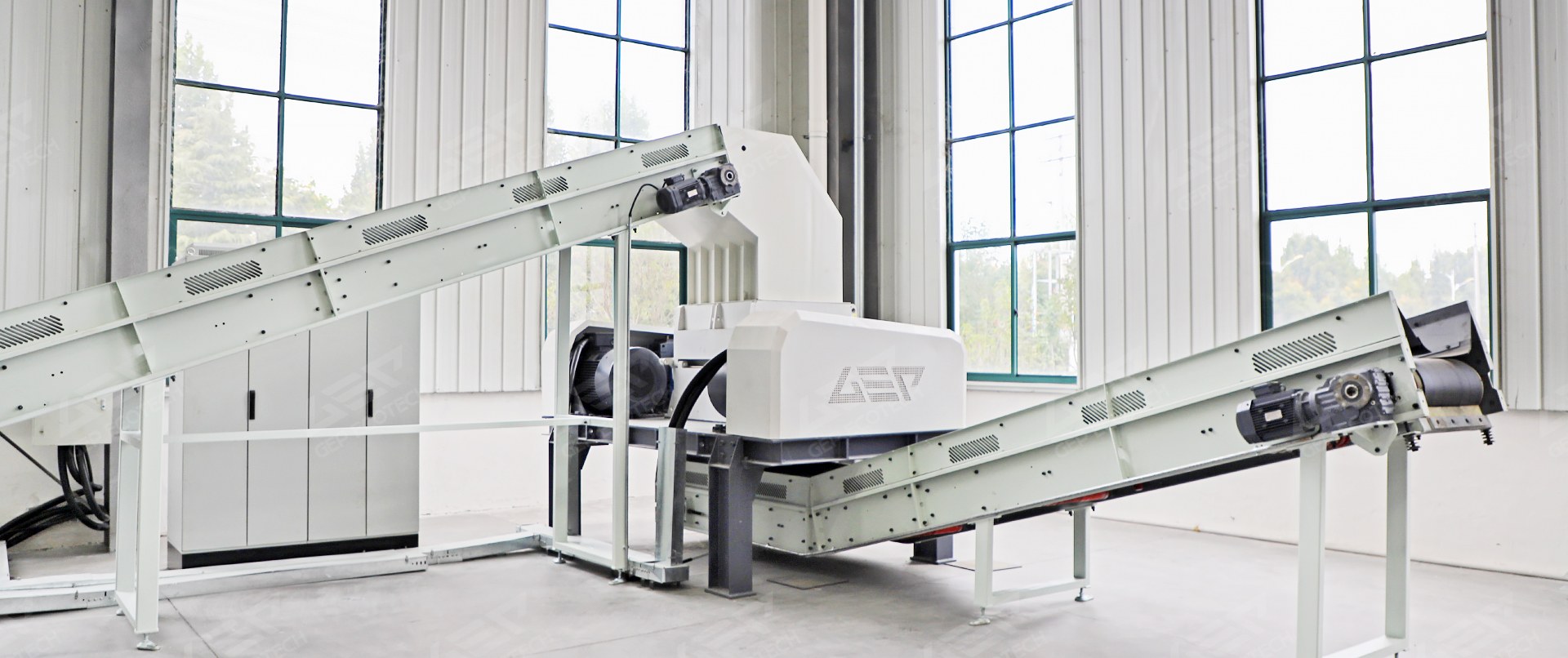
The GF Series Four-Shaft Shredder, as a heavy-duty shredding solution, is a true powerhouse for the toughest industrial recycling challenges. It excels at processing high-toughness, high-ductility waste such as metals, rubber, and rigid plastics into small, uniform chips. Four sets of synchronized rotors deliver superior gripping power and greater shearing force than twin-shaft models, while an integrated screen ensures controlled final particle size.
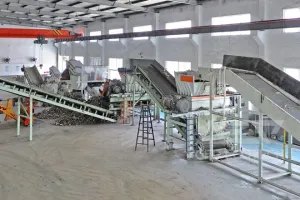
The GPW Series Mobile Shredding Plant provides a flexible and efficient solution for on-site waste reduction and resource recovery. Designed for rapid deployment, it processes waste directly at the source, reducing transportation costs and improving operational efficiency. Equipped with high-torque shredders and intelligent control systems, it delivers stable performance for bulky waste, MSW, industrial waste, biomass, and other materials.
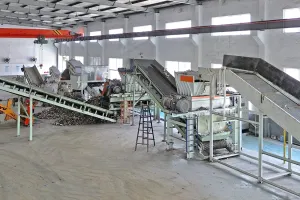
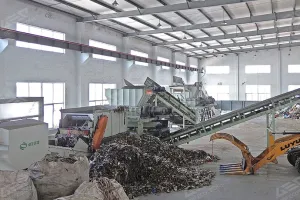
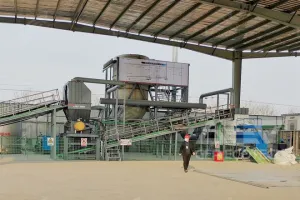
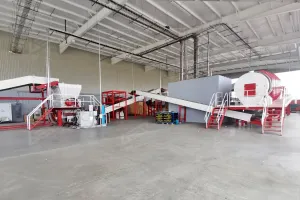
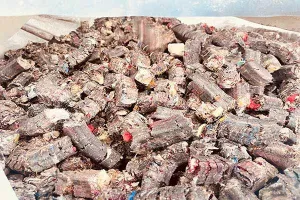
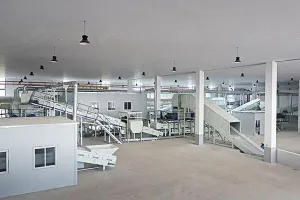
Solid waste is fed into the shredding plant using a belt or feeder to reduce the material to the required size. For most materials, a twin or four-shaft shredder can be used to process the material to the target size in one pass; for piles or bales, a pre shredder can be used to increase production and reduce the wear and tear on the core equipment. Use of an iron remover to remove ferrous materials and windrow or other equipment to remove other materials that cannot be burned. Pressing the material into pellets or lumps (optional).
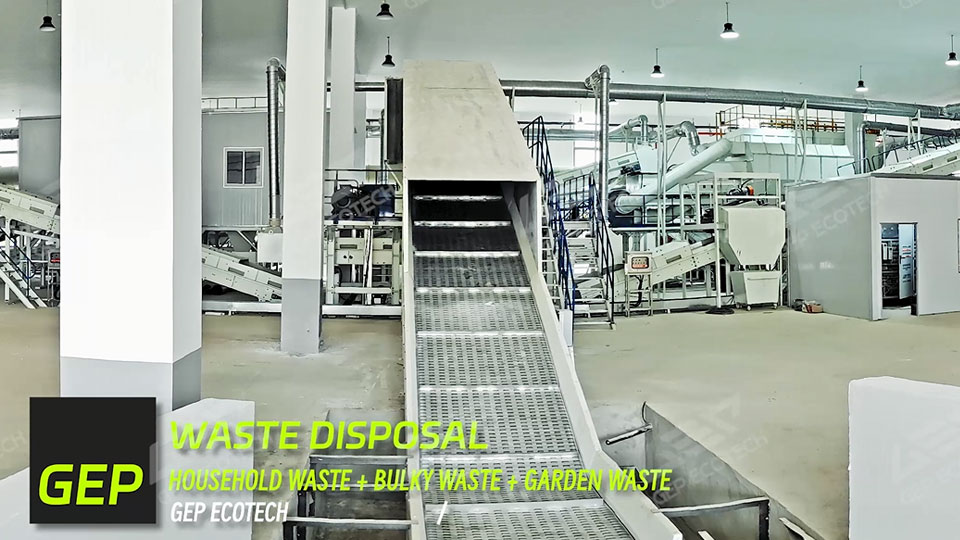
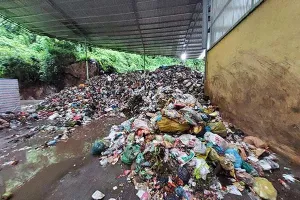
MSW disposal involves volume reduction and sorting. The waste is reduced for further processing using different levels of shredders, then sorting equipment is used to separate the valuable materials from the waste. The higher calorific value materials can be used to make fuel, the organic materials can be made into compost or used for digester fermentation, and the unwanted waste is reduced and buried to reduce landfill space.
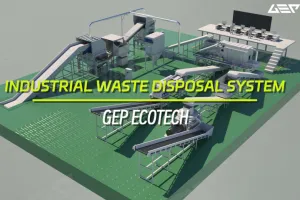
The disposal of industrial waste revolves around volume reduction, reuse and recycling. Depending on the characteristics of the material, a multi-stage shredder or crusher is used to reduce the volume of the material; a separator such as an iron separator is used to separate the reusable metals such as iron, aluminium, copper and zinc; other materials can be separated and recycled, some high calorific value materials can be produced as fuel and other worthless materials can be sent to landfills. GEP Ecotech offers integrated industrial solid waste disposal systems that are not only suitable for specialised solid waste disposal centres, but are also used by companies that generate large quantities of industrial solid waste.
In Hunan, China, a 3–5 t/h municipal solid waste (MSW) shredding project was delivered for a local energy company. The feedstock is high-moisture, mixed and contaminated MSW, making stable shredding difficult. The process uses grab loading, chain-plate feeding, a four-shaft shredder and belt discharge, producing ≤80 mm material for methane production. Compared with the client's previous two-stage dual-shaft system, the new configuration offers better-matched power, higher torque, smoother operation and fewer blockages. It achieves stable capacity, low energy consumption and easy one-button start/stop. The system also reduces secondary pollution and simplifies maintenance, and supports continuous operation with low noise and dust. The client praised the professional installation, fast commissioning and detailed training, saying every stage from solution design to operation has been reliable.
A tire recycling company in Hubei, China purchased an around 1–1.5 t/h crumb rubber production line from GEP ECOTECH. Raw material is 60% truck tires and 40% commercial/car tires, diameter ≤1200 mm; tires ≥800 mm are debeaded before shredding. The configuration is a tire debeader, feeding conveyor, GDT double-shaft shredder with trommel screen for around 50 mm rubber chips, GPT rubber grinding unit with10–30 mesh crumb rubber, which is used in crumb rubber modified asphalt (CRMA) for road asphalting, runway surfacing, road cushions, bolsters, lawns, elastic paving and sports pavements. After comparing many suppliers, the customer chose GEP ECOTECH. The equipment has run stably on site with few failures, and the customer is very satisfied with this practical, compact configuration.
A Southeast Asian tire manufacturer first consulted us in 2024 and finally purchased a 1 t/h tire wire separation line in 2025. It processes waste tires up to 1,200 mm; 80% are standard car tires, and tires with a diameter of ≥800 mm are debeaded before shredding. The line includes a tire debeader, feeding conveyor, GDT double-shaft shredder with trommel screen for discharge around 50 mm rubber chips, and GFT tire wire separator (tire rasper), producing 10–15 mm steel-free rubber granules, which are used to make higher-mesh crumb rubber for further devulcanization into reclaim rubber. With continuous, even feeding of varied materials, it runs smoothly. The customized configuration ensures stable output and easy maintenance. Currently, the equipment operates well with no quality issues, and the customer speaks highly of it.
A well-known tire recycling company in South America needed a dependable solution to process end-of-life tires into TDF for alternative fuel in cement kilns. The feed mix is 60% off-road tires and 40% passenger car tires. The line includes a feed conveyor, a GDT8 double-shaft tire shredder with a 1200 mm × 850 mm shredding chamber, and a discharge conveyor. Under continuous, uniform feeding, it achieves 100 tires per hour and produces about 50 mm TDF. The customer is very satisfied: actual capacity fully meets design parameters, and output quality meets requirements. This robust configuration ensures smooth material flow and stable operation. The project provides a reliable reference for similar tire-derived fuel applications and has been running successfully since commissioning.
Indonesia, as the largest economy in Southeast Asia and the fourth most populous country in the world, is facing the increasingly severe challenge of "garbage siege". With accelerating urbanization and rising consumption levels, municipal solid waste(MSW) generation has exploded, with annual output exceeding 65 million tons. This huge volume not only puts enormous pressure on the ecological environment but also becomes a bottleneck restricting sustainable urban development.Currently, Indonesia's MSW is characterized by a large and continuously growing scale, complex composition with a high proportion of organic matter, and highly concentrated regional distribution. Organic waste, such as food residues, accounts for 54%–62% of household waste and is a key challenge in waste management. Next are plastics at 14%, paper at 9%, and other recyclables such as metal and glass. High-moisture organic matter not only increases transportation and treatment difficulty but is also a major source of methane emissions and
Seafood processing plants handle large quantities of fish throughout receiving, grading, cutting, filleting, freezing, and packaging. During these operations, companies may generate fish heads, bones, trimmings, rejected products, and other by-products that require separate collection and treatment.For seafood companies handling frozen fish, oversized or rejected materials can create additional challenges in storage, transportation, and waste management. An appropriate size-reduction process can help reduce material volume and prepare suitable feedstock for subsequent handling or disposal.Application of Dual-Shaft Shredders in Frozen Fish ProcessingAn industrial shredder can serve as a pre-treatment unit for selected fish waste and rejected fish materials. Depending on the condition of the feedstock and the intended downstream process, the material can be collected, inspected, shredded, and transferred for further processing, recovery, or compliant disposal.The shredding stage can help make bulky materials