
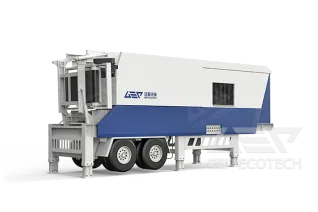
Mobile Shredding Plant
Capacity: 3–40 TPH

Dead animal or animal carcass waste includes dead cattle, dead chickens, dead pigs, dead fish, slaughterhouse waste, animal by-products, organs, discarded meat, and other remains generated from livestock farming, poultry production, aquaculture, meat processing, and animal husbandry operations. Improper disposal of animal carcasses can lead to serious environmental pollution and biosecurity risks. Common treatment methods include incineration, rendering, and sanitary landfill. To improve handling efficiency, reduce volume, and facilitate subsequent disposal, animal carcasses and slaughterhouse waste are often pre-shredded. This process enables safer transportation, more complete combustion, and more efficient treatment of dead animals and related organic waste.
Donkey Skin
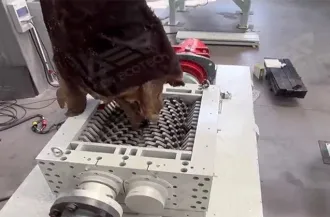
Before Shredding
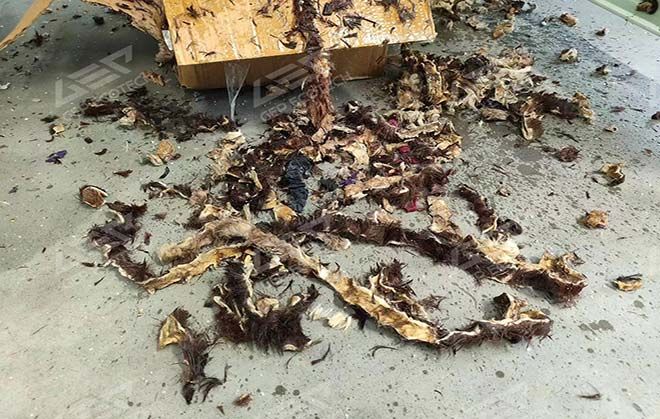
After Shredding
Cattle Head
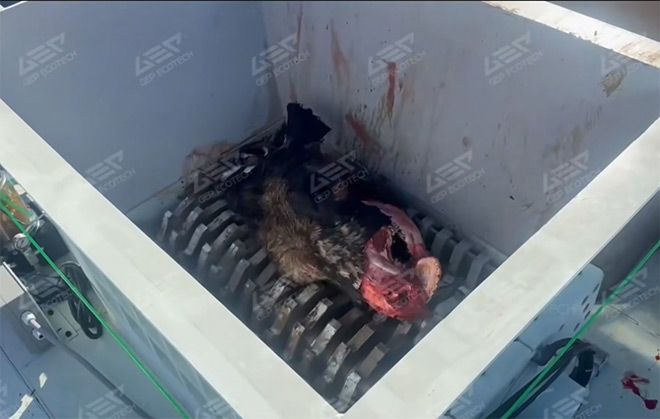
Before Shredding
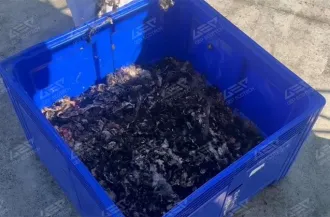
After Shredding
Animal carcasses are first placed on a chain plate conveyor and fed in a controlled manner into a dual-shaft shredder for volume reduction. Considering the hard bones and the toughness of skin and muscle, the shredder is equipped with specially treated blades made from imported alloy steel, ensuring high strength and durability. Operating on a shear-type shredding principle, the system achieves effective, harmless, and reduced-volume processing of animal carcasses. The shredded material is then discharged via a belt conveyor for subsequent disposal.

Chain Plate Conveyor

Double Shaft Shredder

Belt Conveyor
Note: This outlined process represents a general configuration, which is customizable to meet specific feedstock and final product requirements.
Capacity: 3–40 TPH
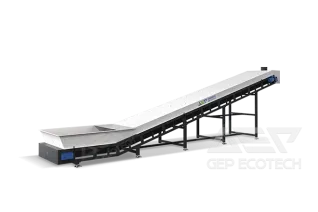
Capacity: 45–560 m³/h
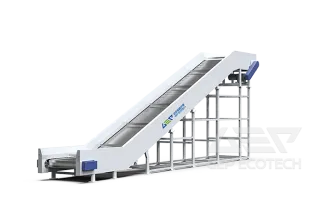
Capacity: 45–200 m³/h
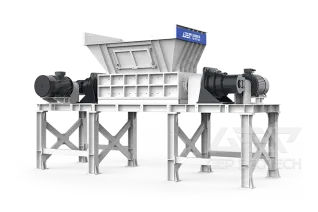
Capacity: 0.2–50 TPH
Your material is not included?
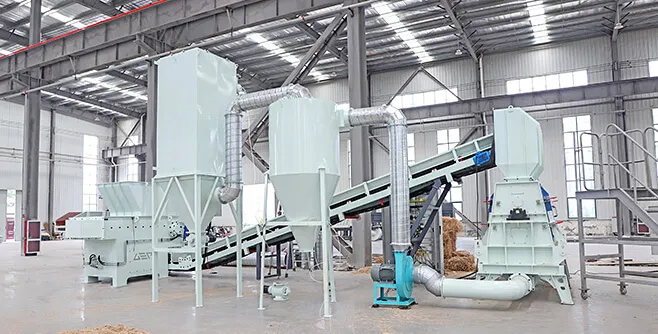
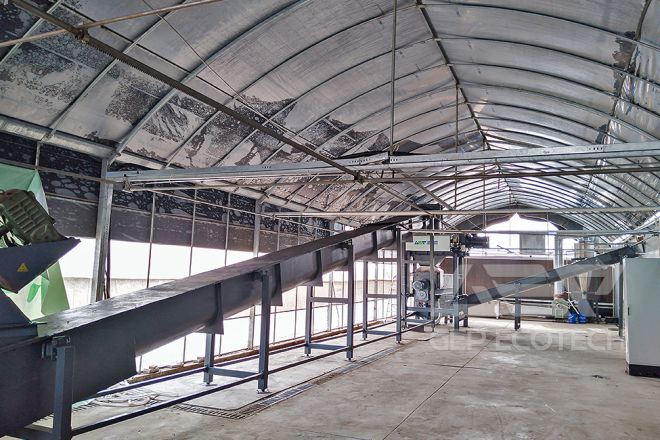
Capacity: 30–50 Tons/Hour
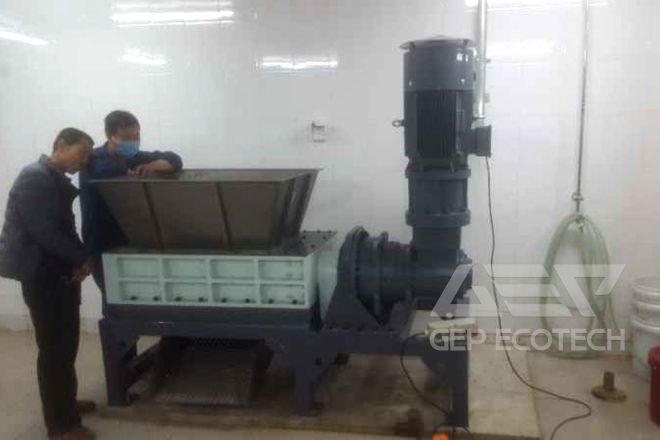
Capacity: 1–3 Tons/Hour
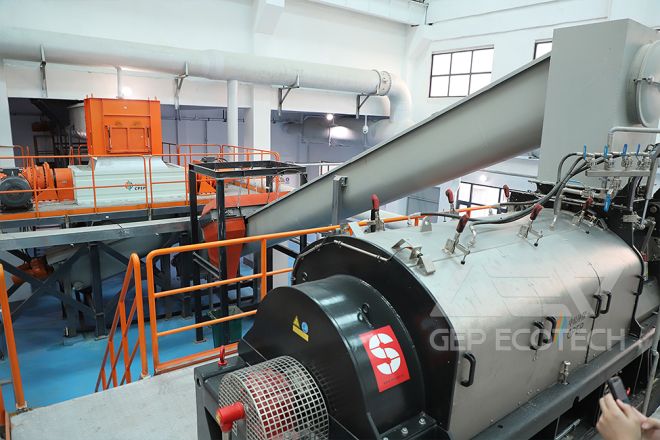
Capacity: 15 Tons/Hour
Send your inquiry for further information.