
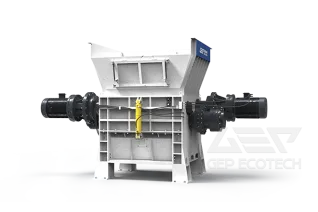
Four Shaft Shredder
Capacity: 1–15 TPH
Scrap cars are End-of-Life (ELV) Vehicles due to damage or age, consisting of parts like metal bodies, tires, interiors and glass. Common disposal methods include dismantling, shredding, and sorting to recover materials such as iron, aluminum, and rubber. This recycling conserves resources and reduces environmental impact. With scrap car numbers rising, efficient processing is crucial. Shredding and separation technologies are key steps to enhance recovery efficiency, enabling material reuse and supporting a circular economy.
Car Shells
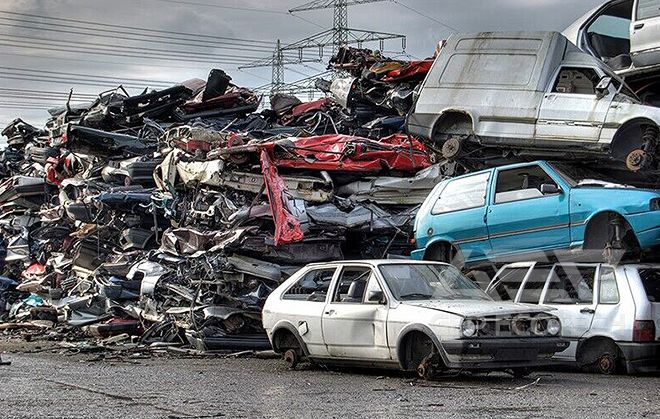
Before Shredding
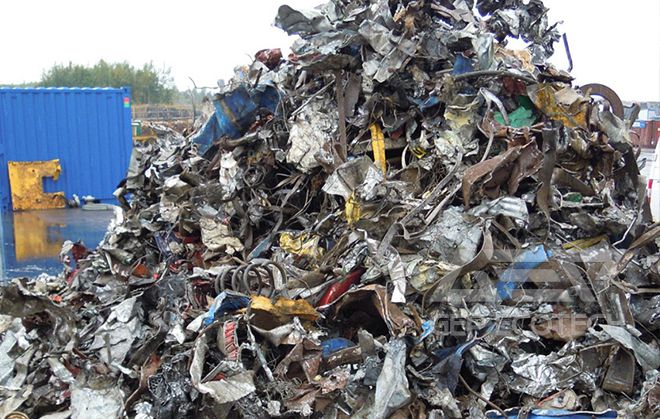
After Shredding
Auto Parts
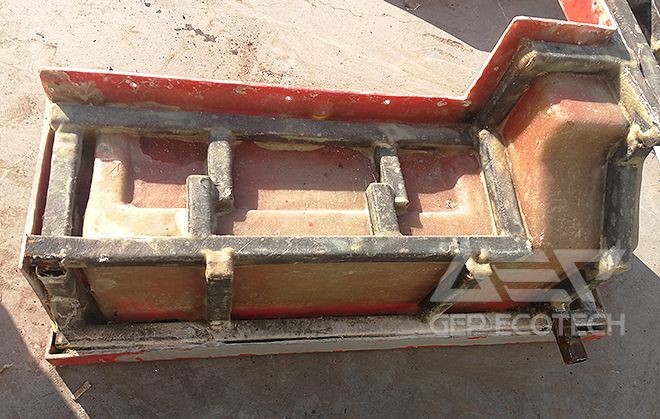
Before Shredding
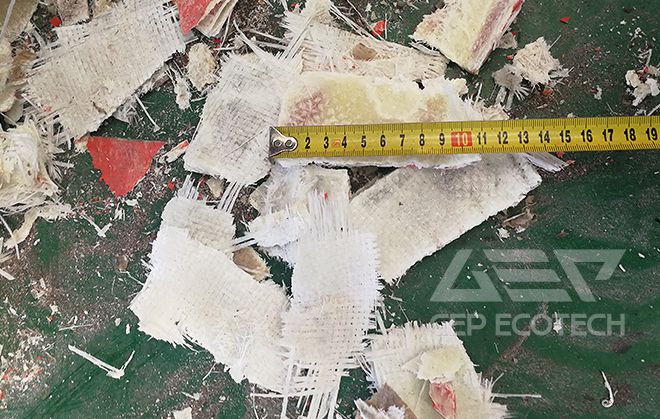
After Shredding
Abandoned Child Safety Seats
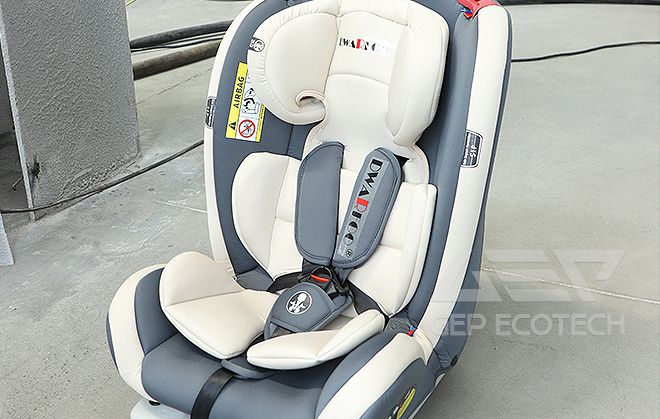
Before Shredding
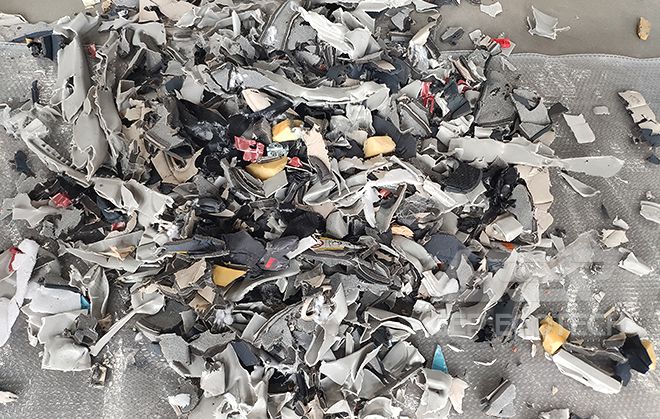
After Shredding
Automotive Interiors
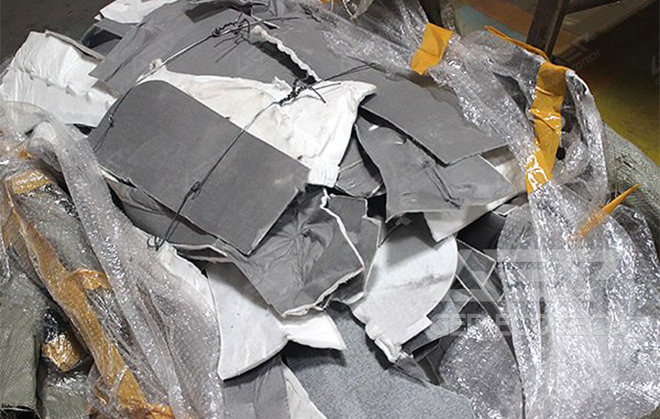
Before Shredding
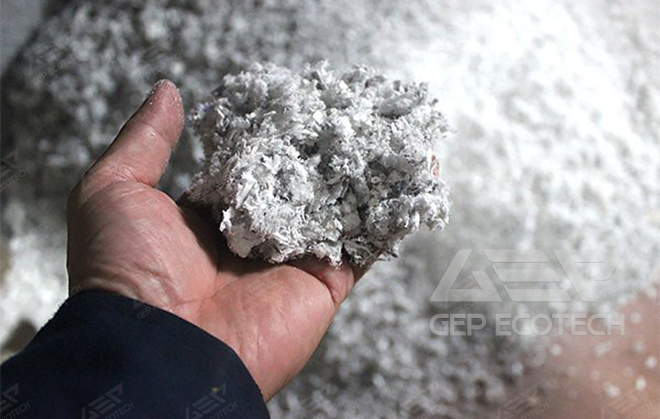
After Shredding
The common disposal process typically involves several key stages. First, a grab machine feeds the car shell into a hydraulic primary shredder for initial coarse shredding. The pre-shredded material is then conveyed to a double-shaft shredder for secondary fine shredding. Next, a magnetic separator removes ferrous metals from the output. Finally, the processed material is compacted by a waste baler for easy transportation and recycling. The above processes are for car shells, which are customizable to meet specific component types and recovery goals.

Chain Plate Conveyor

Hydraulic Pre Shredder

Double Shaft Shredder

Magnetic Separator

Belt Conveyor
Note: This outlined process represents a general configuration, which is customizable to meet specific feedstock and final product requirements.
Capacity: 1–15 TPH
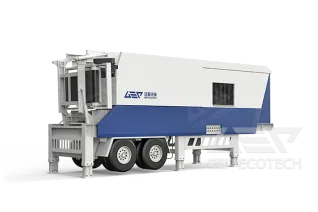
Capacity: 3–40 TPH
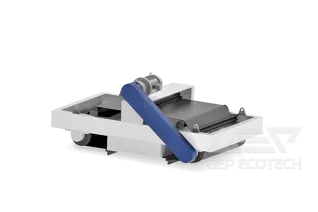
Magnetic Field Strength: 60–70 mT
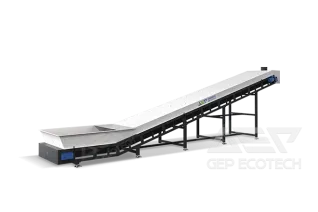
Capacity: 45–560 m³/h
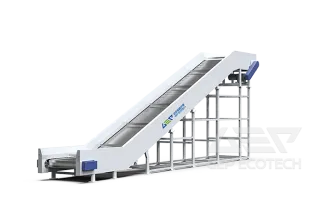
Capacity: 45–200 m³/h
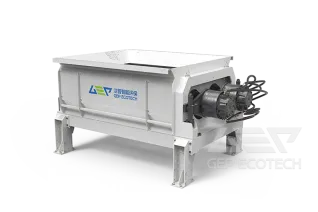
Capacity: 10–60 TPH
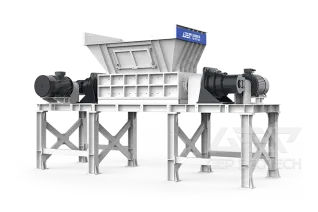
Capacity: 0.2–50 TPH
Your material is not included?
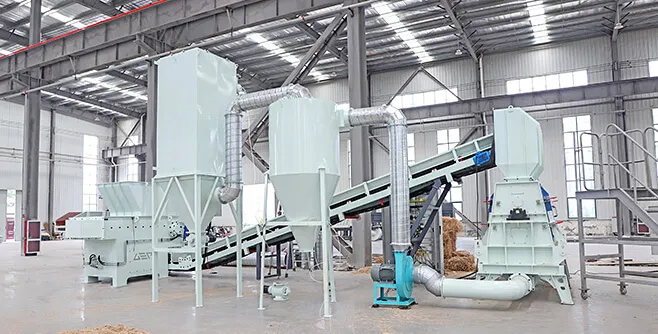
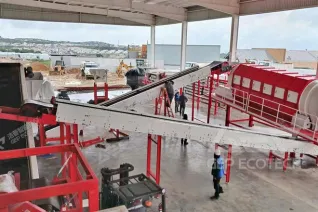
Capacity: 8 Tons/Hour
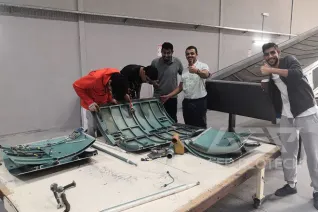
Capacity: 1–3 Tons/Hour
Send your inquiry for further information.