
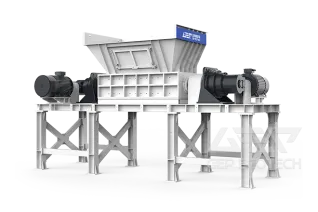
Double Shaft Shredder
Capacity: 0.2–50 TPH

End-of-life photovoltaic (PV) panels are emerging as a rapidly growing waste stream, including crystalline silicon modules with glass, aluminum frames, polymers, and valuable metals. With annual global retirements exceeding one million tons, improper disposal leads to resource loss and environmental risks from heavy metals. Resource-oriented treatment is therefore essential. Through shredding and separation as a key pretreatment step, glass, silicon, silver, copper, aluminum, and plastics can be efficiently recovered, enabling material reuse and supporting a circular, low-carbon PV industry.
PV Frames
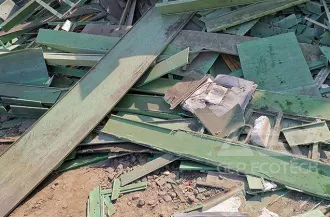
Before Shredding

After Shredding
Solar Panel
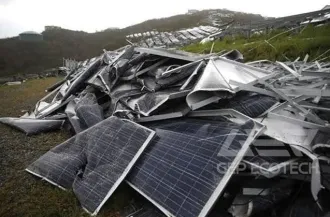
Before Shredding
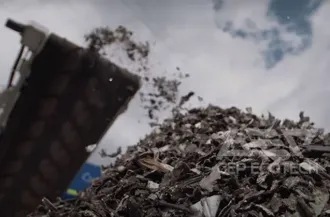
After Shredding
PV Cell and Module
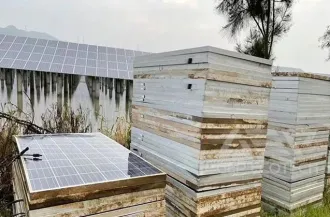
Before Shredding
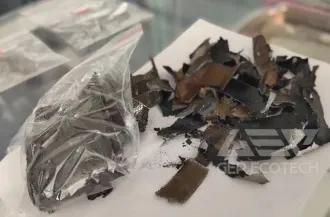
After Shredding
After the aluminum frames and glass are dismantled, the remaining photovoltaic panels are conveyed by a chain plate conveyor into a twin-shaft shredder for primary size reduction. The pre-shredded material is then processed by a single-shaft shredder for further fine shredding. A magnetic separator removes ferrous contaminants from the shredded output, and the treated material is finally discharged via belt conveyors. This process serves as the mechanical shredding and pretreatment stage for subsequent separation and recycling steps.
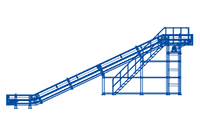
Chain Plate Conveyor
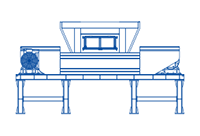
Double Shaft Shredder
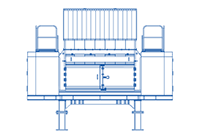
Single Shaft Shredder
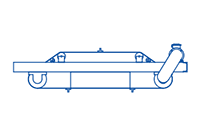
Magnetic Separator
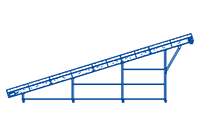
Belt Conveyor
Note: This outlined process represents a general configuration, which is customizable to meet specific feedstock and final product requirements.
Capacity: 0.2–50 TPH
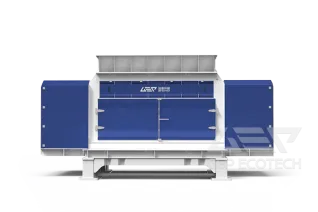
Capacity: 0.3–20 TPH
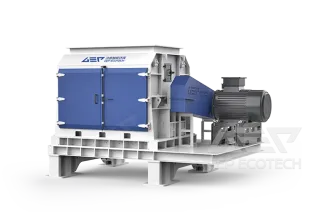
Capacity: 3.5–20 TPH
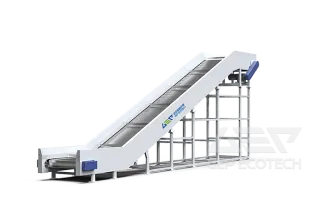
Capacity: 45–200 m³/h
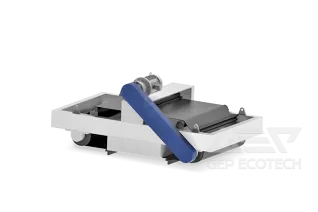
Magnetic Field Strength: 60–70 mT
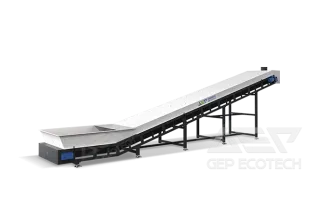
Capacity: 45–560 m³/h
Your material is not included?
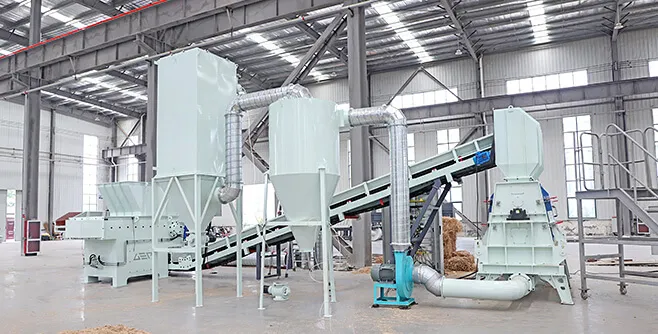
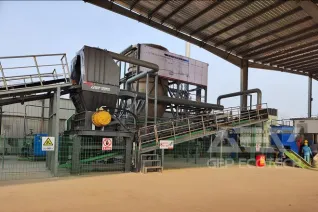
Capacity: 5 Tons/Hour
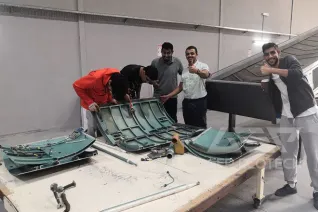
Capacity: 1–3 Tons/Hour
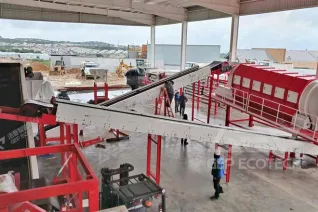
Capacity: 8 Tons/Hour
Send your inquiry for further information.