RDF Bulk vs. Pellets: Advantage Analysis and Optimal Solution Customization
The global conversation around waste-to-energy has moved decisively from ambition to measurable substitution. The refuse-derived fuel (RDF) market was valued at approximately USD 7.34 billion in 2025 and is forecast to reach USD 10.12 billion by 2031, expanding at a 5.56% CAGR. More telling than the headline figure is the divergence within it: pelletized RDF is growing at 8.0% annually, outpacing fluff RDF at 7.0% and baled RDF at 6.6%. Cement kilns remain the anchor demand center, absorbing roughly 52–58% of global RDF consumption, with European plants already achieving average thermal substitution rates of 52–53%—against a global average of just 6%. Meanwhile, global cross-border RDF trade reached approximately 1.23 million tons in 2025, with the EU accounting for 68.2% of intra-regional flows. These numbers reveal a market splitting along a clear fault line: bulk RDF still dominates volume, but densified RDF is capturing the growth premium.
RDF Bulk: The Volume Workhorse
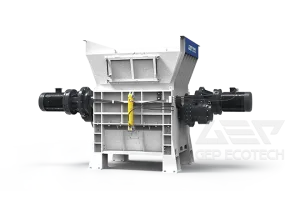
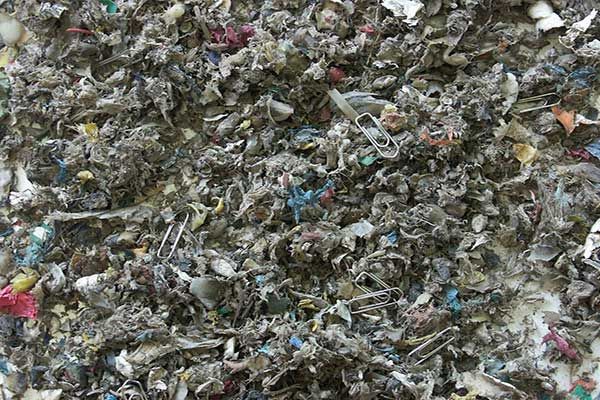
RDF bulk—loose, shredded or fluff-form fuel produced through shredding, sorting, and drying—remains the default choice for captive, short-distance applications. Its persistence is not inertia; it is economics. Fluff RDF holds roughly 48–50% of fuel-type share because it demands lower processing cost and integrates easily into co-combustion systems. The absence of energy-intensive pelletizing equipment translates directly into lower CAPEX and OPEX, and the shorter processing chain supports higher throughput with fewer bottlenecks. In a well-matched grate furnace, bulk RDF can be blended with coal or biomass with minimal modification, giving operators flexibility when fuel quality fluctuates.
Its natural habitats remain large-scale waste-to-energy plants, cement kiln feed points, and industrial CFB boilers where the fuel is consumed close to where it is produced. Cement kiln co-processing, in particular, tolerates the physical irregularity of bulk RDF well—the kiln's high-temperature envelope and long residence time compensate for inconsistent particle size. But this model is inherently local. Once the distance between preparation and combustion exceeds a modest radius, the low energy density of fluff RDF begins to erode its cost advantage through logistics.
RDF Pellets: The Commodity Pathway
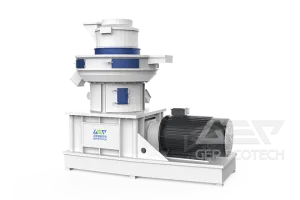
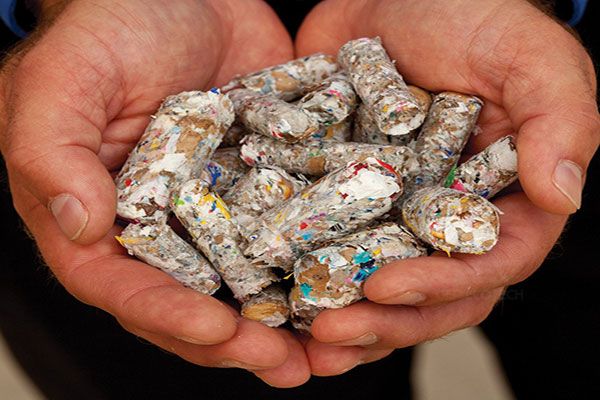
RDF pellets are produced by high-pressure extrusion of bulk RDF into dense, uniform cylinders or briquettes. Compression fundamentally changes the economics of moving energy. Unit-volume calorific value rises sharply, moisture content drops, and the fuel becomes physically stable enough for long-term storage without composting or spontaneous combustion risk. The result is a product that behaves less like waste and more like a specification-bound commodity.
The market is already pricing this in. Pelletized and briquetted RDF together account for roughly 52% of fuel-type share and are gaining traction precisely where handling efficiency and energy density matter most. The application frontier extends well beyond large dedicated incinerators. Distributed energy systems—district heating, hospital and campus boilers, small industrial steam plants—require a standardized feed that bulk RDF cannot reliably provide. Retrofitted coal boilers in dispersed industrial zones can substitute pellets without the material handling and combustion-stability issues that fluff presents. And in cross-border trade, pellets are increasingly the format of choice: they can be shipped, stored, and metered like coal, opening access to demand centers that lack local waste but possess energy demand and decarbonization mandates.
The trade-off is upfront complexity. Pelletizing adds compression equipment, binding agents where required, and tighter moisture control—raising both capital outlay and per-tonne processing cost. For a project without secured offtake at a specification-sensitive end user, that investment can be difficult to justify. But for operations targeting market-based offtake, long-distance logistics, or multi-client distribution, the premium is increasingly recoverable through logistics savings and contract pricing power.
The Strategic Divide
Bulk RDF and RDF pellets are not competing answers to the same question. Bulk is optimized for internalization: captive combustion, short logistics chains, and tolerance for heterogeneous fuel. Pellets are optimized for externalization: tradable specification, extended radius, and access to boilers and markets that demand consistency. The growth rates confirm that both models have a future—fluff is not disappearing, but densified formats are where the incremental value is migrating.
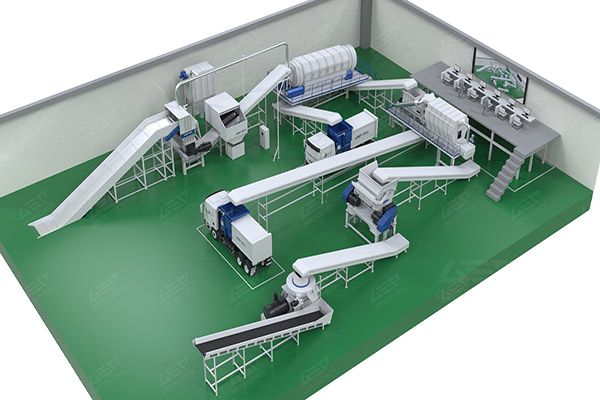
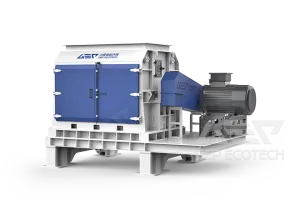
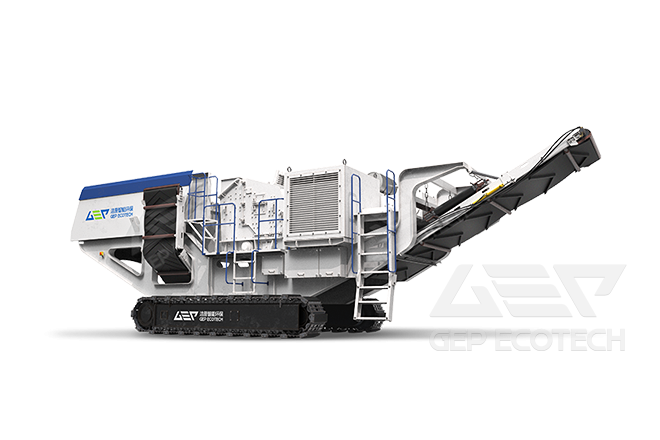
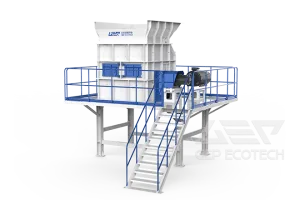
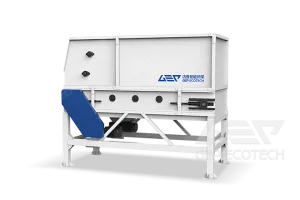
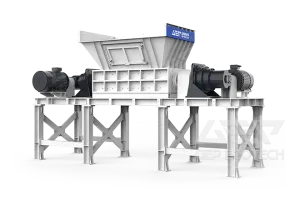
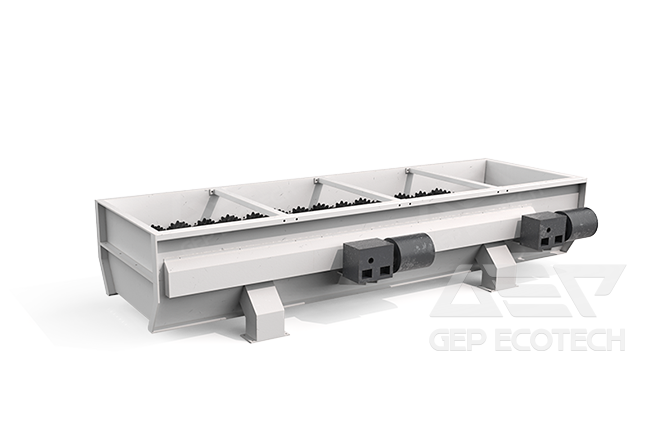
GEP ECOTECH supplies the full process chain either way—shredding, separation, drying, and, where the business case supports it, high-pressure pelletizing—engineered around the specific calorific targets, contamination profile, and offtake strategy of each project. With hundreds of installations worldwide, we help clients determine not simply whether to pelletize, but whether their end market, logistics radius, and contract structure actually reward the densification premium.
If you are interested in the RDF production line and are considering or evaluating investment, please feel free to contact GEP ECOTECH for consultation.