C&D Waste Recycling: Market Trends, Benefits, and Smart Production Solutions
C&D Waste (Construction and demolition waste) management has moved decisively from the margins of environmental policy to the center of a rapidly expanding global industry. The global C&D waste management market was valued at USD 116.20 billion in 2025 and is projected to reach USD 167.10 billion by 2031, growing at a CAGR of 6.23%. Regulation is accelerating this shift. The European Commission’s revised Waste Framework Directive, adopted in late 2025, mandates that member states achieve 70% C&D waste recovery by 2027 and 80% by 2030, with material-specific targets for wood, plasterboard, and mineral fractions. Landfill economics reinforce the urgency: EU gate fees averaged €85–120 per ton in 2025, and circular approaches can reduce disposal costs by 40–60% while generating revenue from secondary materials. In China, the national standard Guidelines for Construction Waste Recycling (GB/T 48389—2026) takes effect in February 2027, establishing a traceable technical framework covering classification, collection, transport, and utilization. These converging signals confirm that construction waste is no longer a disposal liability but a contested strategic resource.
The Drawbacks of Traditional Disposal Methods
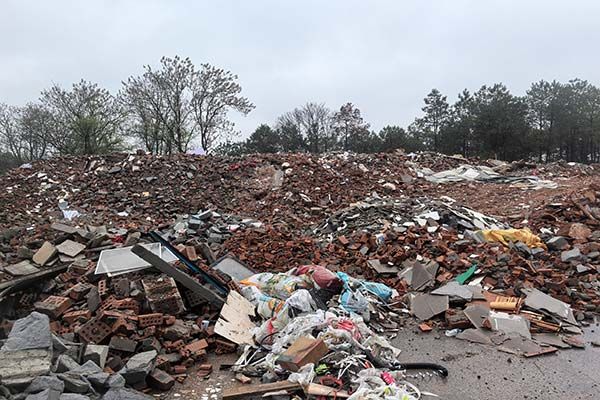
The traditional treatment mode of C&D waste has long dominated the world, but its environmental and economic costs are becoming increasingly prominent. These disposal methods mainly include open-air stacking and simple landfill, which have caused multiple hazards through extensive management:
Land resource encroachment
According to international calculation standards, 1 acre of land is required for every 10000 tons of C&D waste landfill, which will continue to exacerbate the situation of land resource scarcity.
Soil quality damage
C&D waste piled up outdoors gradually infiltrates the soil with heavy metals and harmful substances under the erosion of rainwater and natural weathering, changing the physical and chemical properties of the soil, leading to a decrease in soil productivity or even permanent damage.
Air pollution problem
Organic components in C&D waste decompose under the influence of temperature and moisture, releasing harmful gases; The dust generated during transportation and stacking exacerbates PM2.5 and PM10 pollution, forming secondary air pollution.
Prominent safety hazards
The illegally filled soil forms artificial mountains up to 100 meters high, which can cause serious casualties and property damage after landslides.
Economic and Environmental Benefits
The resource utilization of C&D waste creates significant economic value and environmental benefits, forming a green economic growth point.
Direct product benefits
The market price of recycled aggregates is about 60-70% of that of natural sand and gravel, with significant cost advantages. If 1.6 million tons of construction waste are processed annually, the output value of recycled building materials can reach 120 million yuan.
Policy subsidy dividends
Governments around the world have introduced tiered subsidy policies, providing subsidies for construction waste disposal based on tonnage.
Value of the entire industry chain
The C&D waste resource utilization industry forms a complete value chain of "collection treatment application", with a social capital investment return rate of 8% -12%, far higher than the level of traditional environmental protection industry.
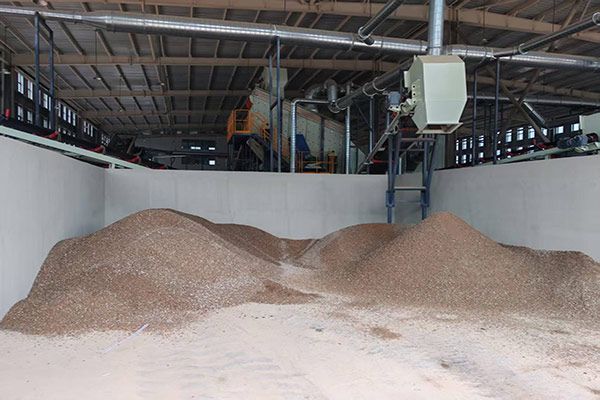
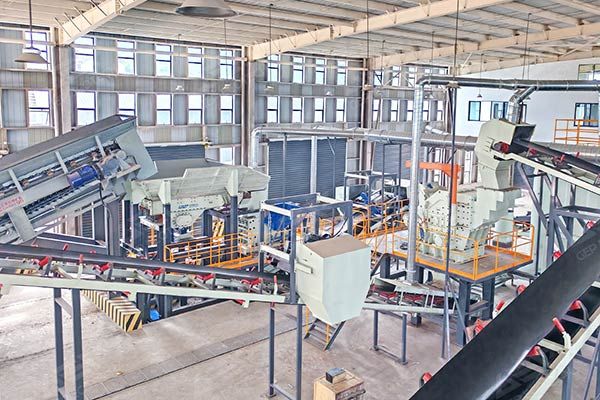
GEP ECOTECH's Intelligent Construction Waste Recycling Line
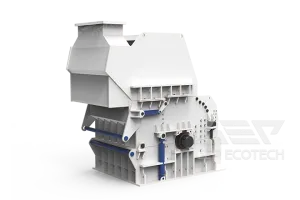
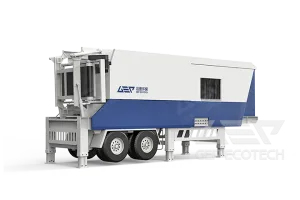
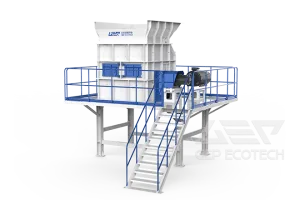
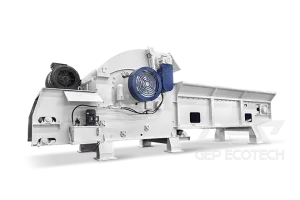
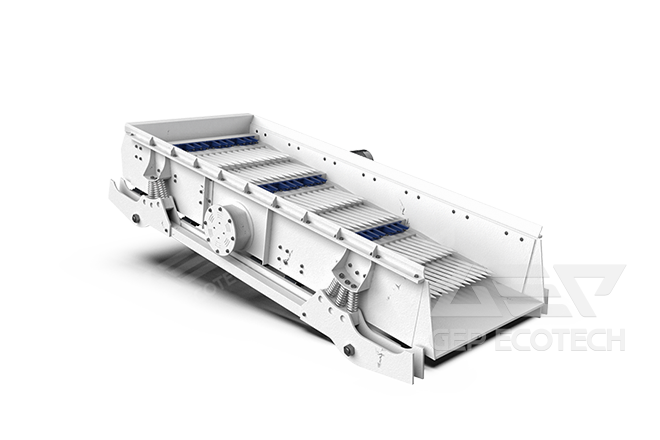
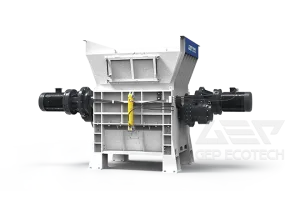
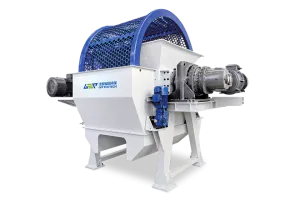
Faced with these challenges, global construction waste management is undergoing a technological revolution toward resource-based, intelligent, and low-carbon processing. GEP ECOTECH designs efficient crushing and screening processes that transform mixed C&D waste through multi-stage crushing, screening, and washing into recycled aggregates of consistent specifications. GEP ECOTECH operates a 66,000 m² modern intelligent manufacturing base equipped with dozens of CNC precision machining systems, achieving refined management and intelligent production. Full-cycle services span scheme design, equipment customization, installation and commissioning, operator training, regular follow-up, and spare parts supply. The GI intelligent automation distributed network control system integrates intelligent crushing management, full-line video monitoring, and dust-removal monitoring. Applying the GI system reduces manpower demand by 50%, lowers energy consumption by 28%, extends equipment life by 100%, and increases comprehensive income by 20%–30%.
Proven Global Experience and a Standing Invitation
GEP ECOTECH has remained closely engaged with the latest developments in the construction waste recycling industry and has delivered successful projects across multiple regions. Whether you are a new investor seeking to enter this industry or an existing operator looking to optimize, upgrade, or expand capacity, GEP ECOTECH brings the equipment, process knowledge, and project experience to turn construction waste into a reliable green profit stream. Contact us for your customized construction waste disposal plan.