Indonesian MSW Recycling Outlook: Circular Economy Challenges and RDF Opportunities
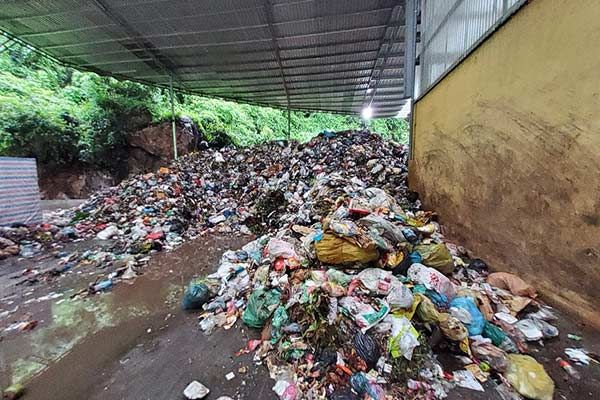
Indonesia, as the largest economy in Southeast Asia and the fourth most populous country in the world, is facing the increasingly severe challenge of "garbage siege". With accelerating urbanization and rising consumption levels, municipal solid waste(MSW) generation has exploded, with annual output exceeding 65 million tons. This huge volume not only puts enormous pressure on the ecological environment but also becomes a bottleneck restricting sustainable urban development.
Currently, Indonesia's MSW is characterized by a large and continuously growing scale, complex composition with a high proportion of organic matter, and highly concentrated regional distribution. Organic waste, such as food residues, accounts for 54%–62% of household waste and is a key challenge in waste management. Next are plastics at 14%, paper at 9%, and other recyclables such as metal and glass. High-moisture organic matter not only increases transportation and treatment difficulty but is also a major source of methane emissions and environmental pollution from landfills. Java Island, as Indonesia's economic center and densely populated area, contributes more than 55% of the country's MSW, with Jakarta alone generating 2.2 million tons annually. This highly concentrated distribution exacerbates local treatment pressure while also creating conditions for centralized, large-scale processing facilities.
Indonesian MSW Recycling: Opportunities in Challenges
Recently, GEP ECOTECH has received many inquiries from Indonesian customers about domestic waste recycling lines. Some are interested in small pilot lines of around 5 tons per hour, while others are planning large MSW disposal lines of 30–40 tons per hour. This growing interest reflects both the urgency of Indonesian waste challenge and the market's search for practical, scalable resource-recovery solutions.
However, opportunities are hidden within these difficulties. In recent years, the Indonesia's government has attached great importance to the waste management industry, established an increasingly comprehensive policy framework, and actively promoted waste-to-energy projects, creating broad space for industry development. At the same time, international capital and local enterprises are joining in, and a vibrant waste management ecosystem is taking shape.
A comprehensive resource utilization process suitable for Indonesian national conditions is also gradually maturing. Through multi-level sorting, kitchen waste is separated and composted or used for breeding insects such as black soldier flies and fly maggots, producing high-protein feed raw materials and insect frass as high-quality organic fertilizer. Non-combustible metals are sorted and recycled. Combustible waste, such as plastics, straw, waste paper, and textiles, is shredded, dried, and compressed into solid fuel to produce high-calorific-value RDF.
The next five years will be a golden period for Indonesia's waste management industry. Policy dividends will continue to be released, technical routes will gradually mature, and capital attention will increase. For investors, it is essential to accurately grasp the market window and carefully choose reliable equipment suppliers.
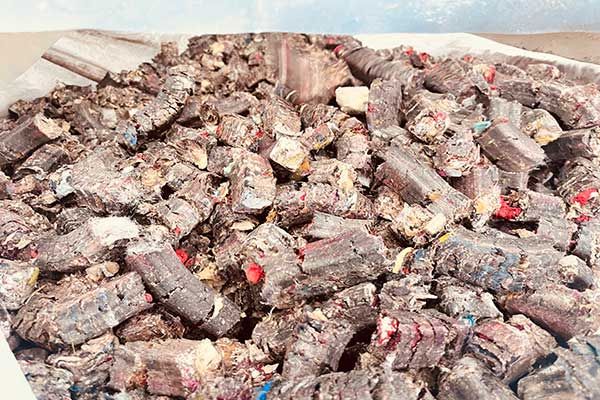
GEP ECOTECH MSW Recycling Solution: Mature Production Process and One-to-One Customized Services
GEP ECOTECH provides global customers with closed-loop solutions and complete line equipment from waste to green energy through intelligent MSW disposal solutions. GEP ECOTECH's RDF production line deeply integrates intelligent sorting, efficient shredding, precise pelletizing, and Io T control to ensure fuel quality stability and maximize energy conversion efficiency.
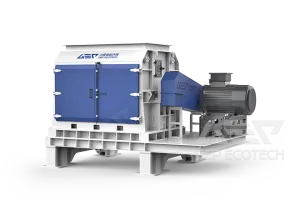
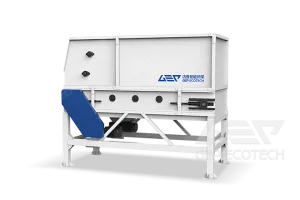
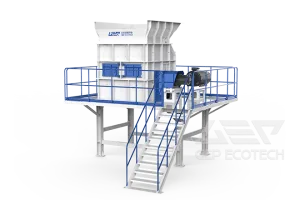
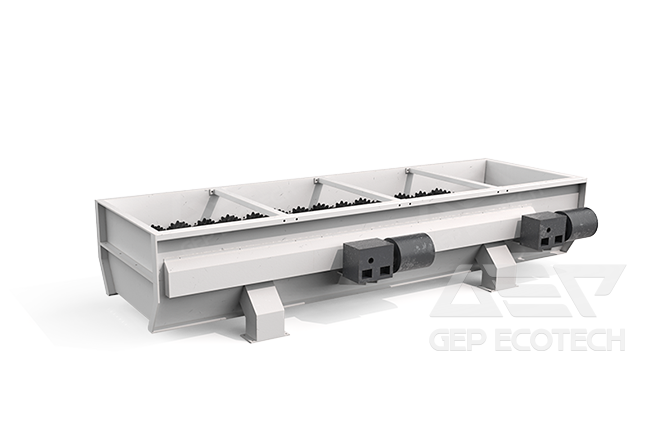
The intelligent sorting system adopts a multi-stage process of "magnetic separation + air separation + drum screen", effectively removing inert impurities such as metals, glass, and slag. This achieves combustible purity of over 95% and significantly improves RDF calorific value stability. The two-stage shredding system, combining a double-shaft shredder and a single-shaft fine shredder, accurately shreds materials to 30–50 mm, meeting the optimal combustion size requirements of cement kilns and reducing heat loss. High-pressure non-bonded forming technology requires no chemical binders and compresses sorted combustibles into RDF-5 fuel rods with a density of 0.8–1.2 g/cm³. The calorific value is stable at 3500–5000 kcal/kg, equivalent to 0.8 tons of standard coal, and the fuel is easy to store and transport. The GI intelligent control system provides data collection, interlocking alarms, and report output, intuitively displaying equipment operation status, ensuring equipment and personnel safety, and generating production and energy-consumption reports as needed. This enables intelligent, precise management and greatly improves operational efficiency and safety.
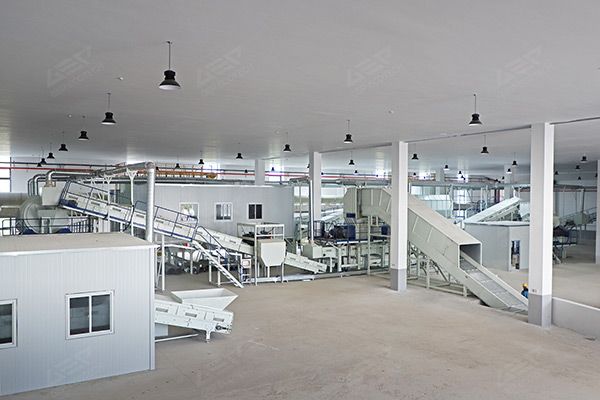
GEP ECOTECH is deeply involved in solid waste resource utilization, with modular design, intelligent operation and maintenance, and global project experience as core advantages. We provide customers with RDF production line lifecycle services from planning and equipment selection to operational support. Our production lines have passed CE and ISO international certifications and are suitable for tropical, desert, high-altitude, and other climatic environments.
We have been closely monitoring the latest trends and supply-demand changes in Indonesia's MSW recycling market. Whether you need a small-capacity pilot line or a large-capacity disposal line, we can provide a matching solution and line planning according to your requirements and market demand. We already have multiple successful MSW recycling project cases worldwide, and we welcome interested customers to consult us.