GEP ECOTECH Is Launching Its Full-Chain Recycling Solution for Retired Charged Lithium Batteries
The retired lithium battery wave is no longer a forecast—it is an operational reality. China's lithium battery recycling market is expected to grow from RMB 22.2 billion in 2025 to RMB 52.7 billion in 2026, a surge of roughly 137% year on year. Yet compliant pretreatment capacity remains the sector's weakest link. Recyclers are not short of feedstock or demand; they are short of safe, continuous, and economically viable front-end processing.
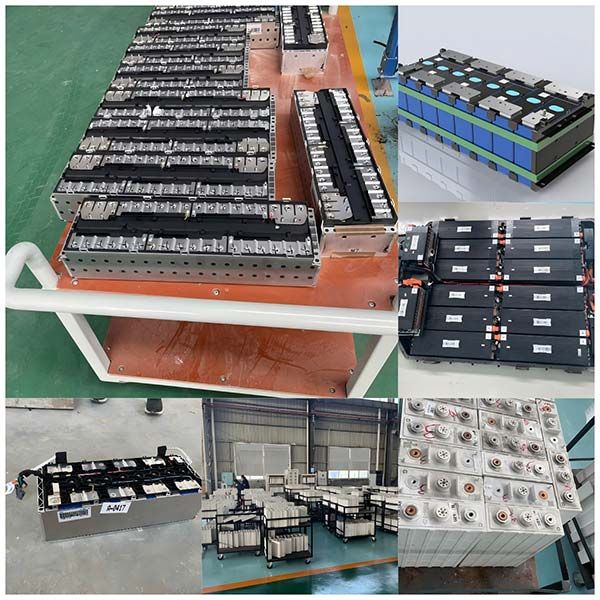
The Real Bottleneck: Safe, Continuous Charged Processing
Conventional routes require full discharge before dismantling—a time-consuming step that consumes valuable site space, raises labor and energy costs, and still leaves residual-charge and electrolyte risks. Open or multi-stage shredding can release harmful emissions, while mixed prismatic, cylindrical, and pouch formats challenge fixed equipment designs. The result is a familiar contradiction: growing battery volumes, but limited high-quality black mass, copper, and aluminum output.
One Integrated Chain, Not Just One Machine
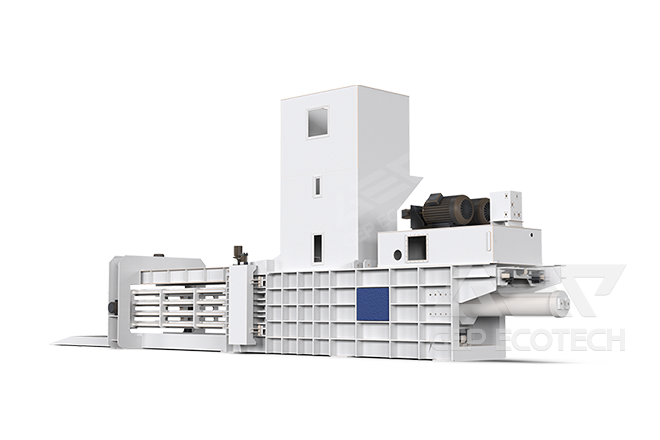
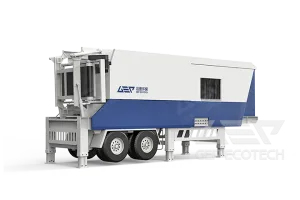
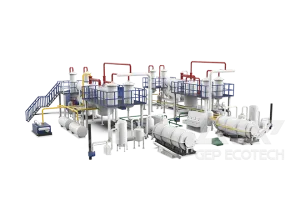
GEP ECOTECH's charged lithium battery full-chain recycling process and equipment is designed as an integrated system—from battery intake to final material output—rather than a stand-alone shredding machine. The goal is to connect every critical step into one controlled, continuous, and commercially viable line.
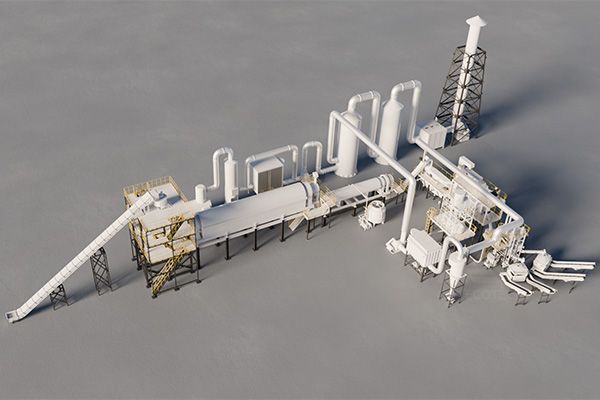
1. Front-End Safety and Pre-Sorting
The process begins with safety assessment, format identification, and pre-sorting of mixed battery streams. This step prepares prismatic, cylindrical, and pouch cells for downstream processing while reducing operational risk and improving line stability.
2. Sealed Charged Shredding Without Pre-Discharge
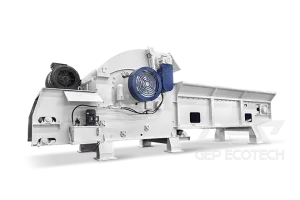
Unlike conventional routes that require full discharge, GEP ECOTECH's closed shredding system, also known as hazardous waste shredding system, enables charged shredding in a sealed, nitrogen-inerted environment. Continuous oxygen monitoring, dual-sealed feeding, temperature control, and automatic fire suppression work together to keep the line within a safe operating envelope—oxygen concentration can be controlled at ≤2%, with discharge temperature kept low.
3. Controlled Low-Oxygen Pyrolysis and Volatilization
After shredding, the material enters a controlled low-oxygen thermal stage. Electrolytes and organic binders are volatilized under regulated conditions, while harmful emissions are routed to dedicated off-gas treatment. This step improves downstream separation efficiency and reduces environmental risk.
4. Multi-Stage Separation and Material Recovery
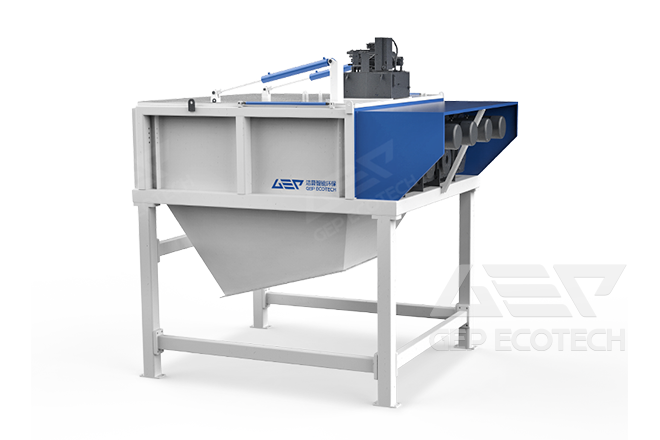
The processed material then passes through multi-stage separation and depowdering. Black mass is recovered, while copper and aluminum fractions are separated and upgraded. This is full-chain resource recovery, not merely black mass recovery—each material stream has a controlled destination and potential end use.
5. High-Purity Outputs for Downstream Recycling
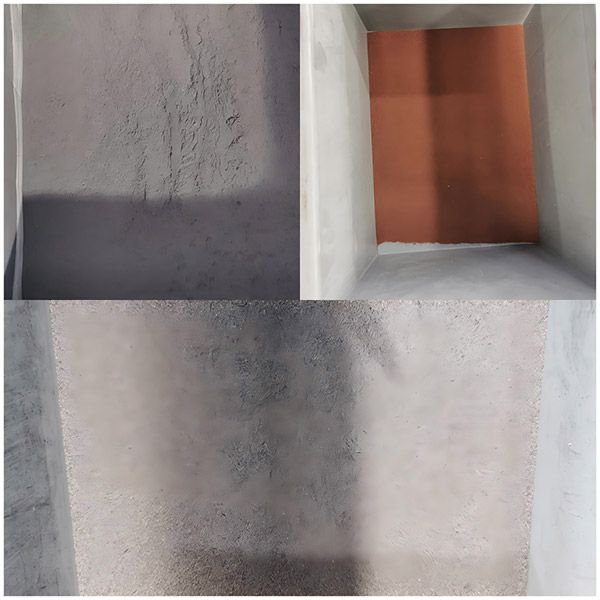
The line produces high-purity black mass suitable for hydrometallurgy or pyrometallurgy, separated copper and aluminum fractions, and treated off-gas streams. The design aligns with the 2025 Catalogue of Advanced and Applicable Industrial Resource Comprehensive Utilization Processes, Technologies and Equipment, which recognizes charged continuous shredding systems achieving black mass recovery ≥98%, Cu/Al content ≤1%, copper and aluminum foil purity ≥95%, and organic removal ≥99%.
Why GEP ECOTECH
GEP ECOTECH combines process design, modular equipment, intelligent control, and environmental engineering in one partner. Its solutions are built for scalable deployment—from single shredding modules to complete recycling plants—and backed by manufacturing capability, commissioning support, and operational know-how. For recyclers, the value is clear: lower pretreatment cost, reduced safety risk, higher recycling value, and stronger compliance.
Retired batteries are not waste; they are a distributed urban mine. The question is who can process them safely, continuously, and profitably. Contact GEP ECOTECH to build your full-chain lithium battery recycling line—from charged pack intake to high-value material output.
For more details about lithium battery recycling system, please refer to our topic: https://www.gepecotech.com/topic/lithium-battery-recycling-system.html