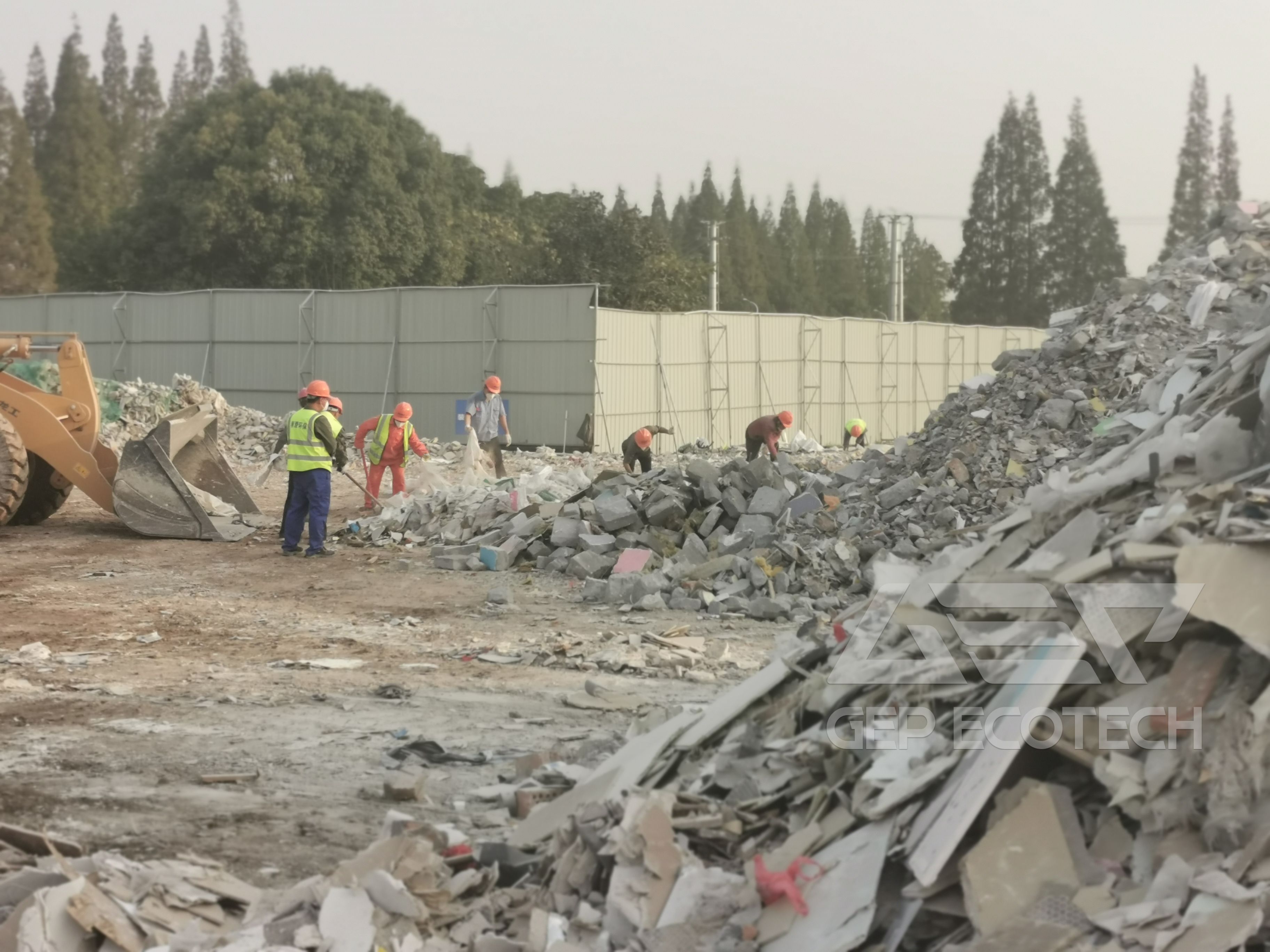
Hazardous Waste Recycling
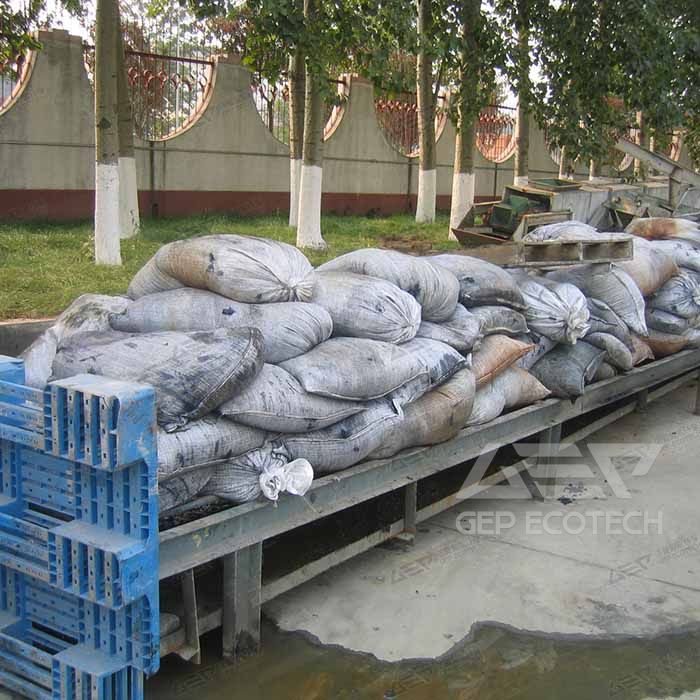
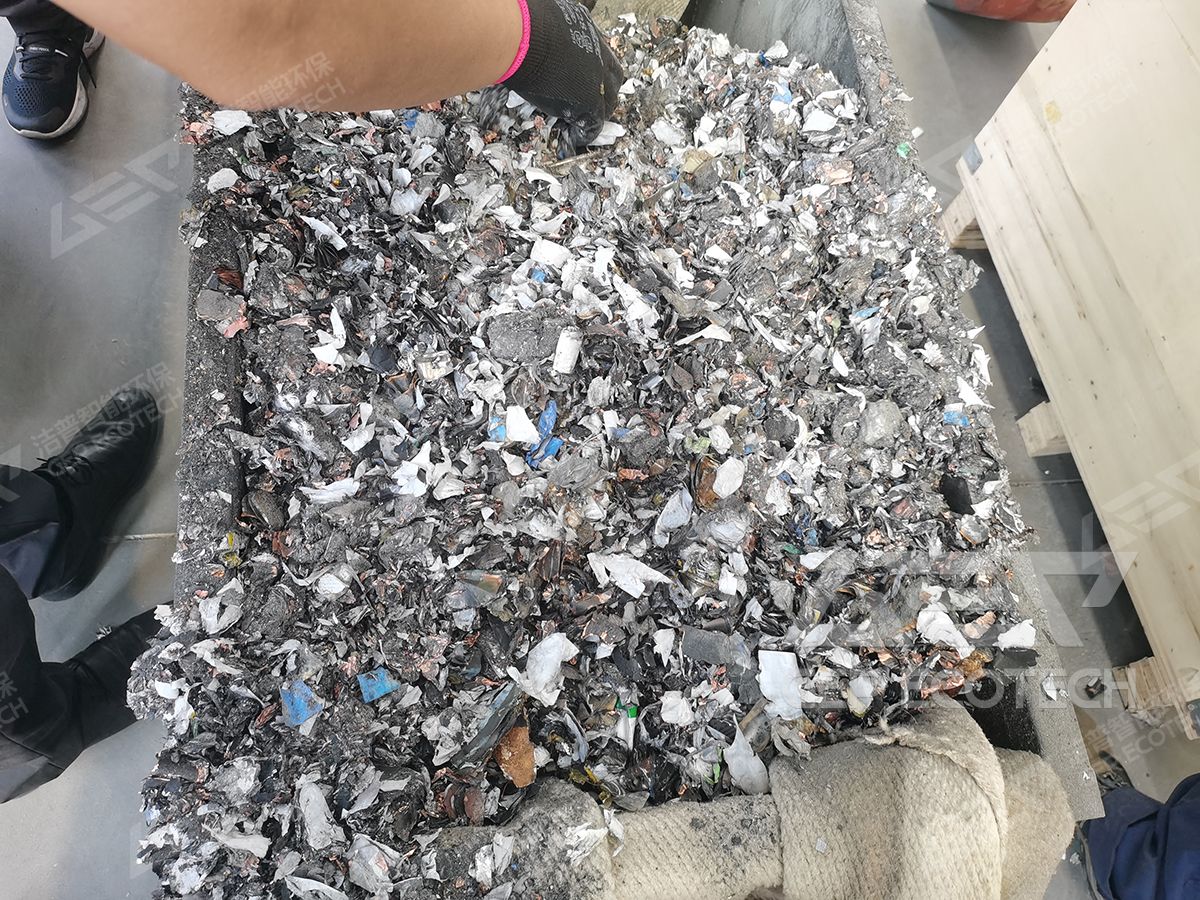
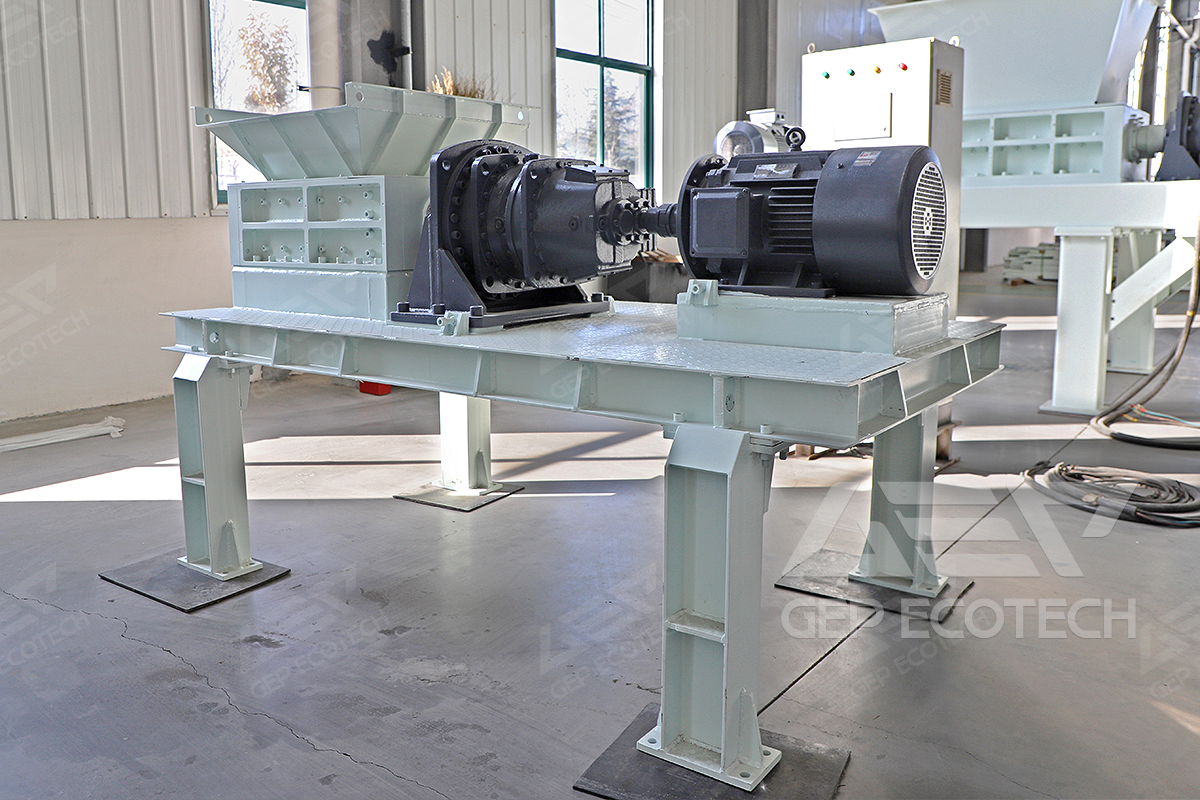
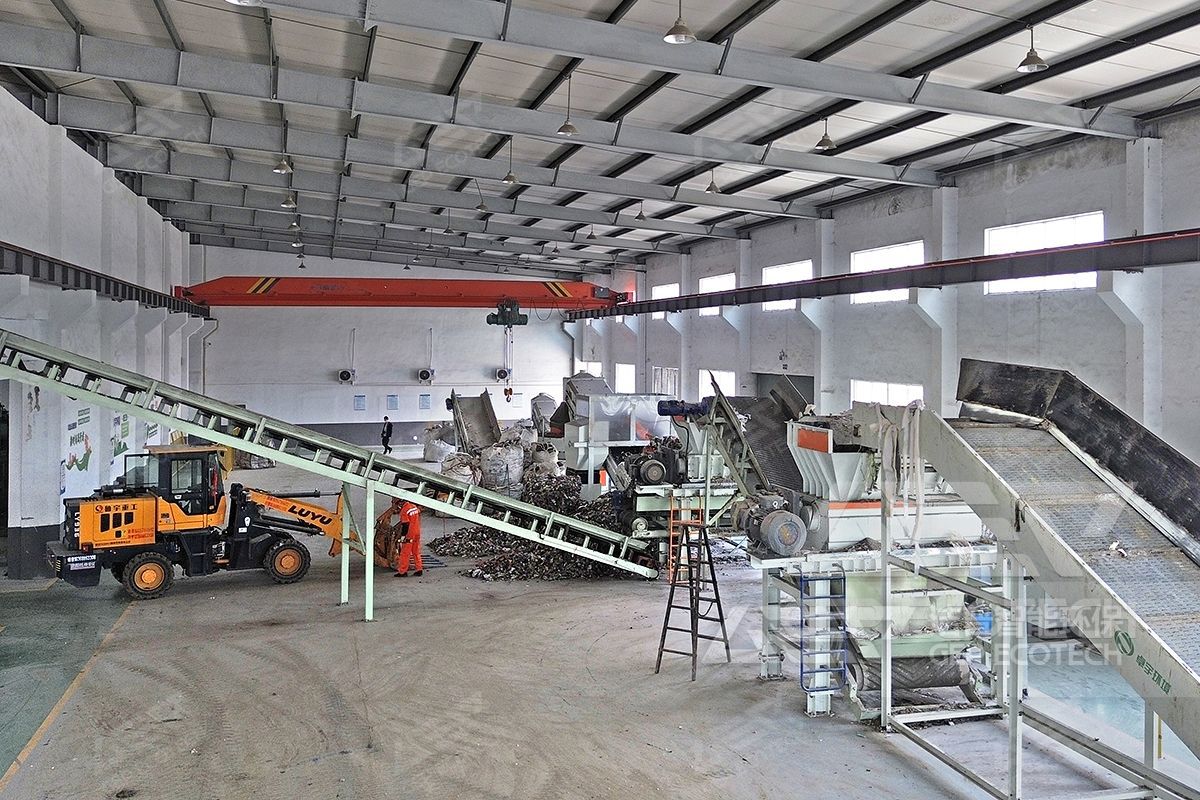
Solid hazardous waste refers to waste that may cause potential harm to human health and the environment in a solid state. These wastes usually contain toxic and harmful chemical components, which may cause serious pollution to soil, water and air if not handled and disposed of properly, causing irreversible damage to human health and ecosystems.Common solid hazardous waste includes batteries, fluorescent lamps, waste electronic products, waste chemicals, waste medicines, waste oil barrels, paint barrels, etc. In order to protect the environment and human health, the resource treatment of solid hazardous waste is very important. The following is a detailed introduction to the treatment methods of common solid hazardous waste.Batteries: Used batteries contain heavy metals such as lead, mercury, cadmium and other harmful substances. For dry batteries, mechanical treatment can be used to remove the shell, separate the positive and negative electrodes, and then perform resource recovery. Waste lead-acid batteries
READ MORE