This article is compiled based on an exclusive interview with Mr. Wu, and the content is derived from his personal experience. It only optimizes the logical expression and does not fabricate any key information.
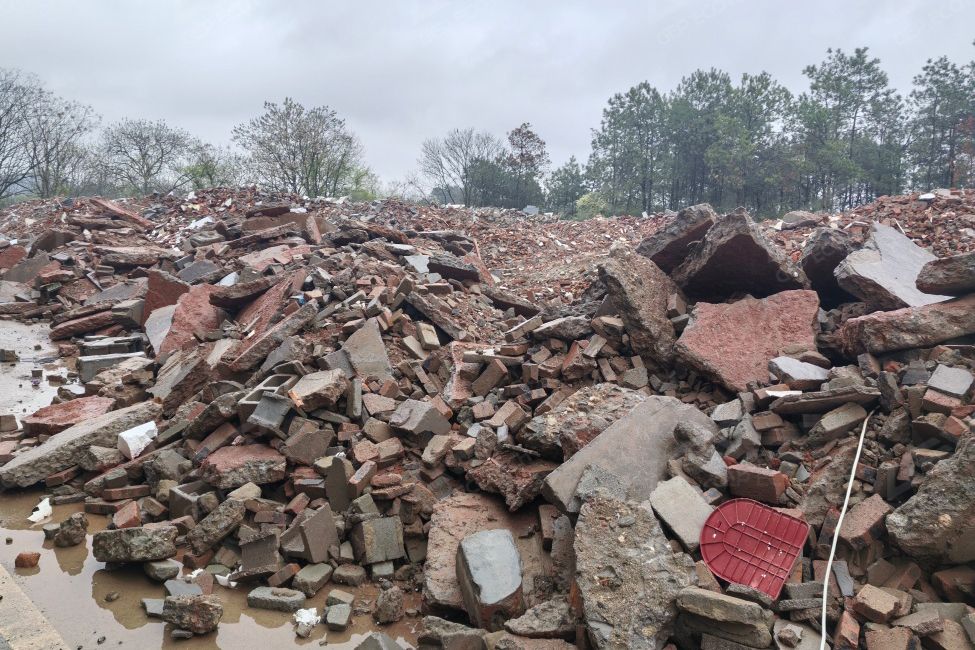
As the person in charge of the solid waste sector of the urban investment company, for a long time in the past, construction and decoration waste was a stone in my heart that I couldn't put down. The mixed waste generated by the demolition of bricks and stones and decoration in urban renewal not only occupies storage capacity, but also easily triggers dust and environmental complaints. If we want to recycle these complex "miscellaneous waste", we cannot find a reliable solution to turn them into usable products. It was not until the implementation of this construction and decoration waste resource utilization project this year that we truly turned this long-standing "hot potato" into a demonstration project for circular economy.
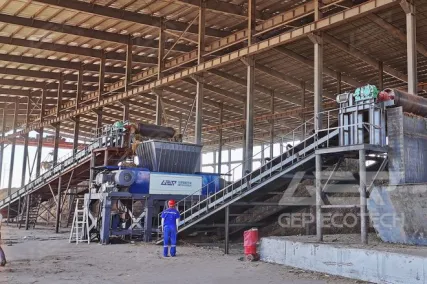
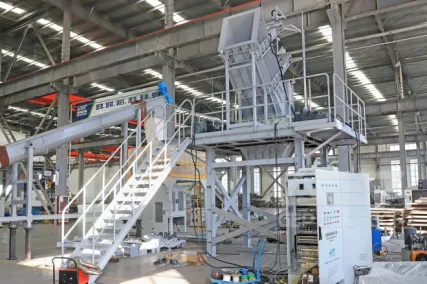
Looking back at the whole process today, the most fortunate thing is that I chose to cooperate with GEP ECOTECH correctly. At the beginning of the selection process, we had contact with no less than ten suppliers, and many of them came up with universal templates for you, completely ignoring the actual situation of our waste being mixed with impurities; Some of them have extremely low prices, and we are very worried about whether the follow-up services can keep up. We are afraid that if there are any problems with the project, we may not even be able to find anyone. Later, a colleague recommended GEP ECOTECH, who is well-known for handling large waste in our province. Almost every city has benchmark projects that have been implemented. We directly led a team to their factory for on-site inspection, from the thickness of the steel plates of the equipment, the workmanship of the core components, to the simulation operation of the entire process. We went through it from beginning to end, and half of the stone in our heart fell.
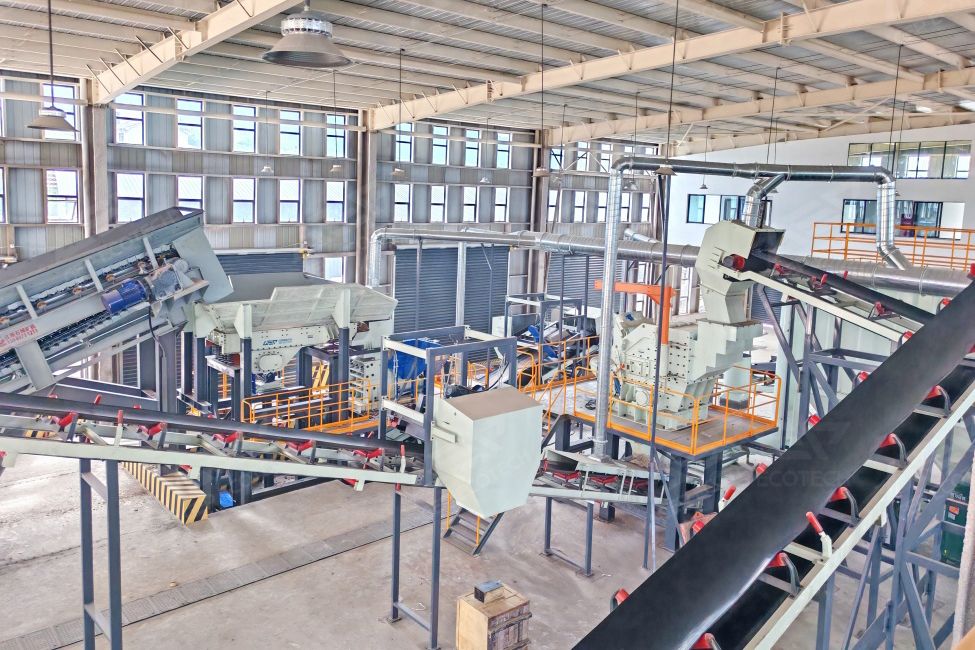
At the end of last year, we officially signed the contract, and the entire team entered a state of continuous tackling.
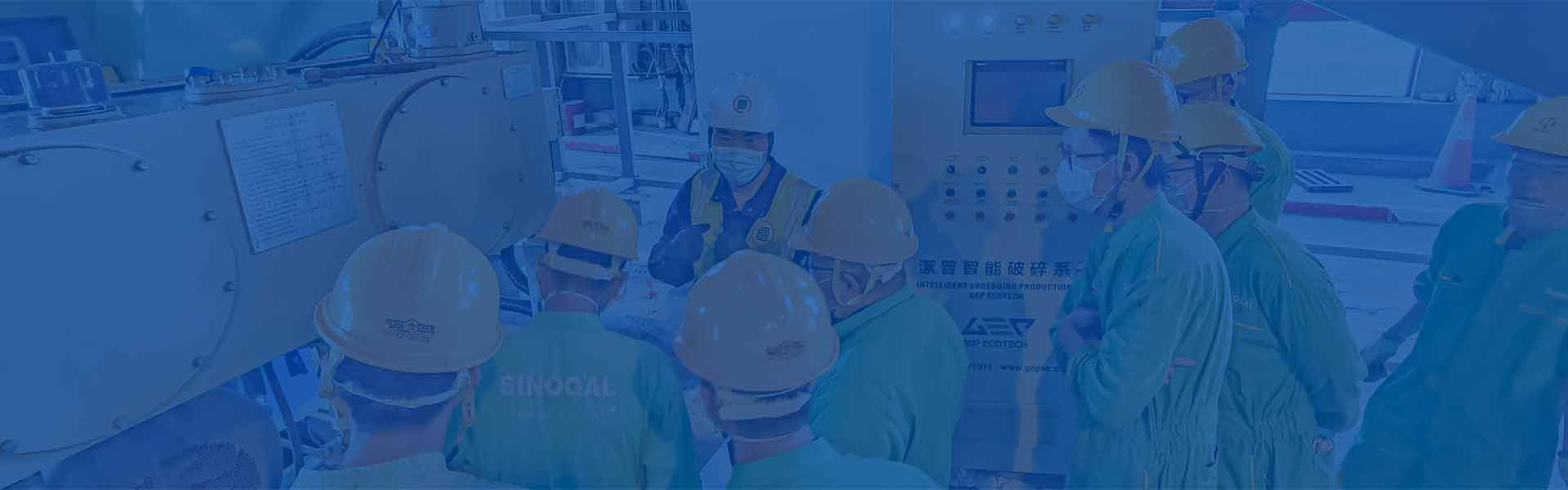
During the early stages of civil engineering planning, a group of us often stayed up until midnight to come up with solutions. We would revise the layout of the factory drawings and calculate the reserved space for equipment. GEP ECOTECH's sales and technical brothers would accompany us throughout the process. Even if we raised questions at one or two o'clock in the morning, they could immediately provide adjustment plans. I was worried about delaying the production schedule during the Spring Festival, but my team took the initiative to stay in the factory and work overtime to produce the equipment, which directly dispelled my progress concerns. At the site installation stage, because the actual site is different from the early planning, the production line layout has been adjusted several times, and other suppliers may have begun to shift the blame, but the GEP ECOTECH site engineer has never said "no". At that moment, I truly felt that this team was treating our project as their own.
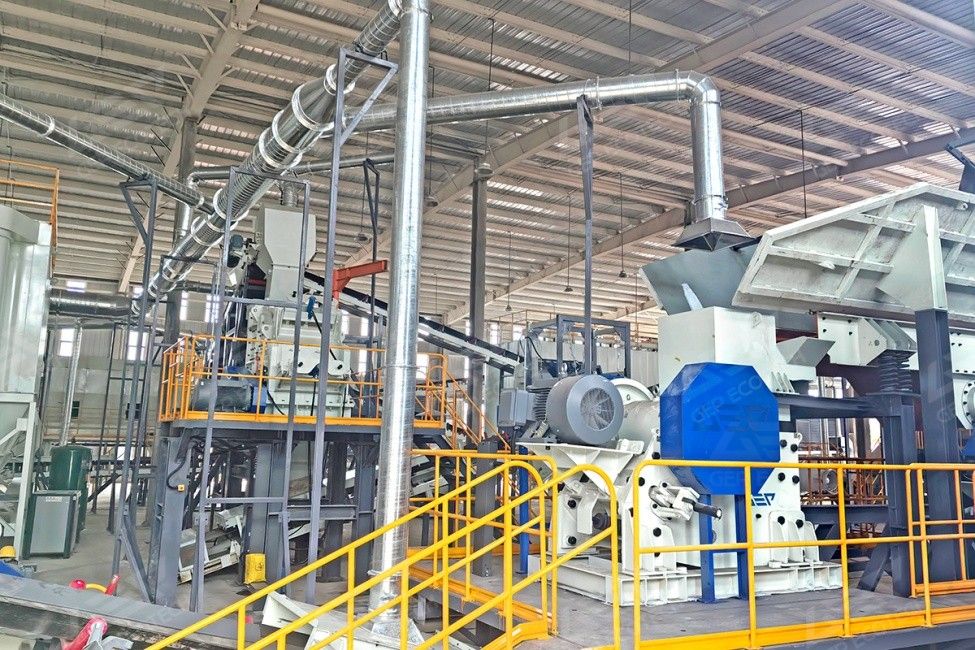
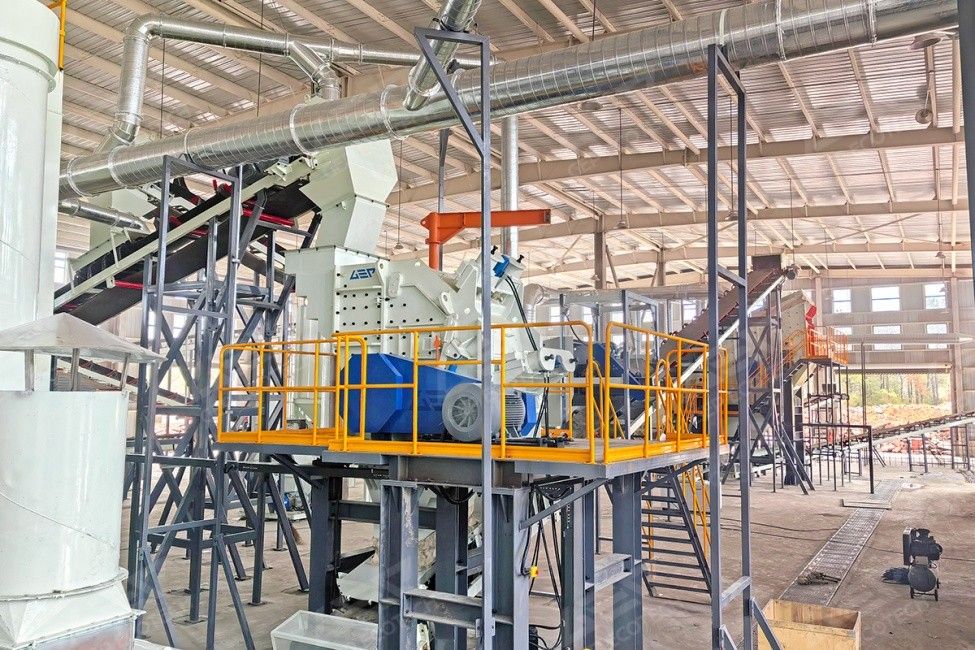
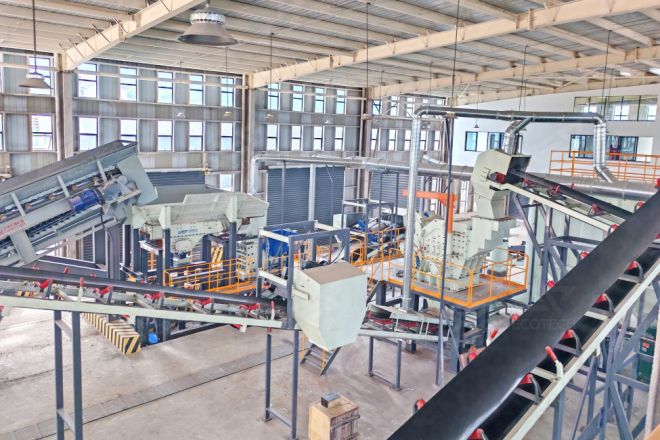
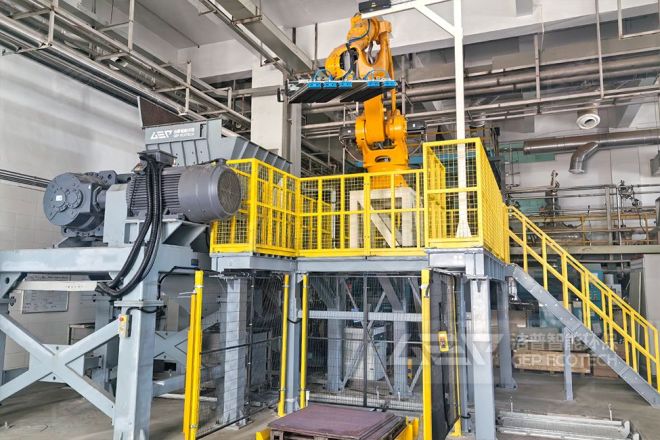
On the day when the project was successfully put into operation at the beginning of this year, I stood next to the production line watching the mixed construction waste being sent in, and what came out were round and exquisite aggregates. It's hard to say whether I'm feeling emotional or not. Recycled aggregates of different specifications, with low impurities and high purity, are directly transported to the adjacent brick factory to produce permeable bricks that fully meet the standards for municipal projects in terms of compressive strength and permeability. They have now been laid on many sponge roads and public parks in our city.
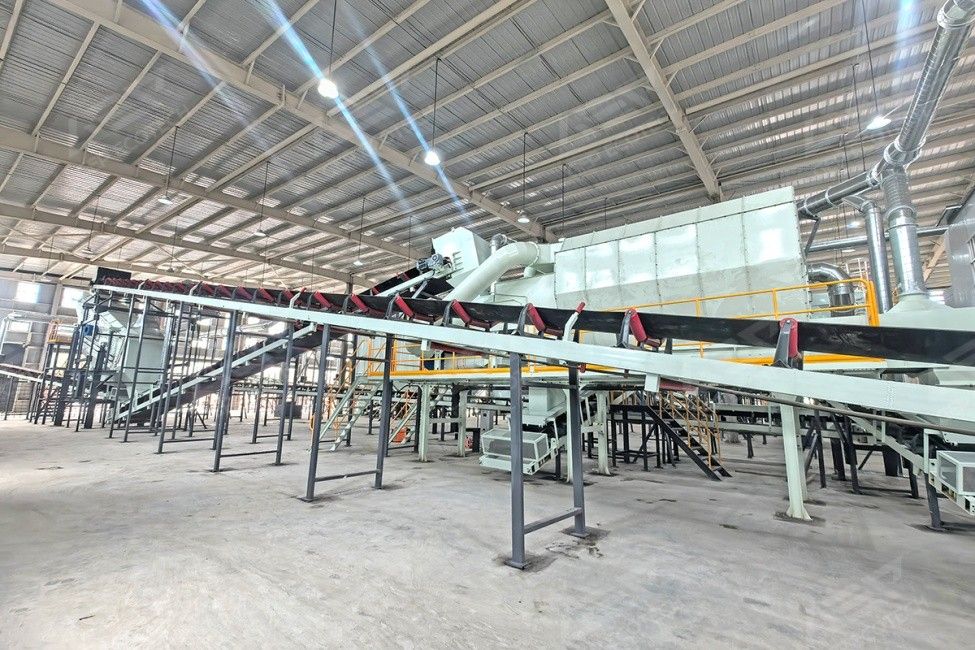
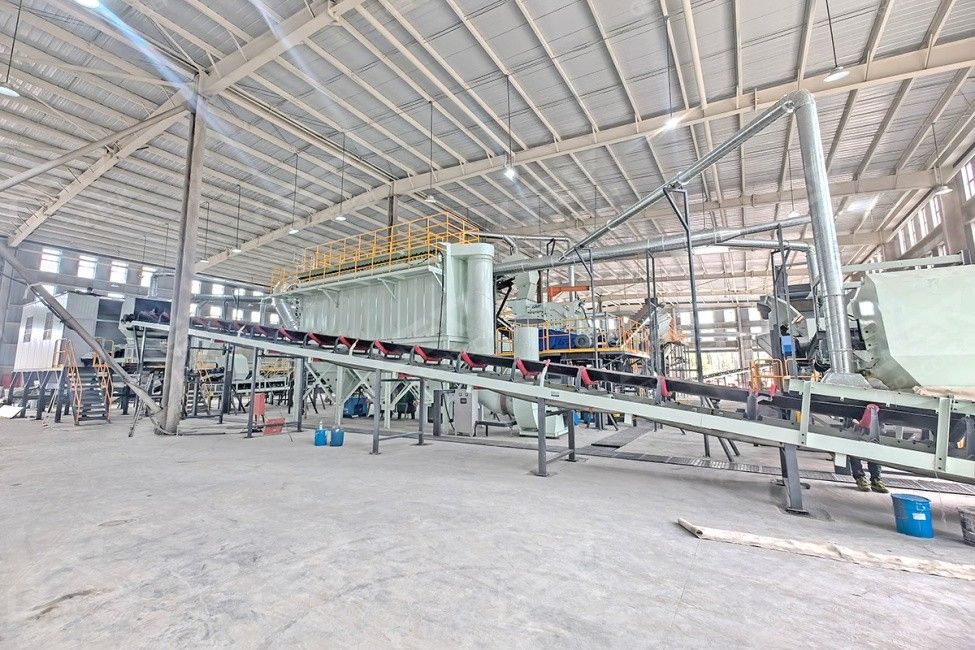
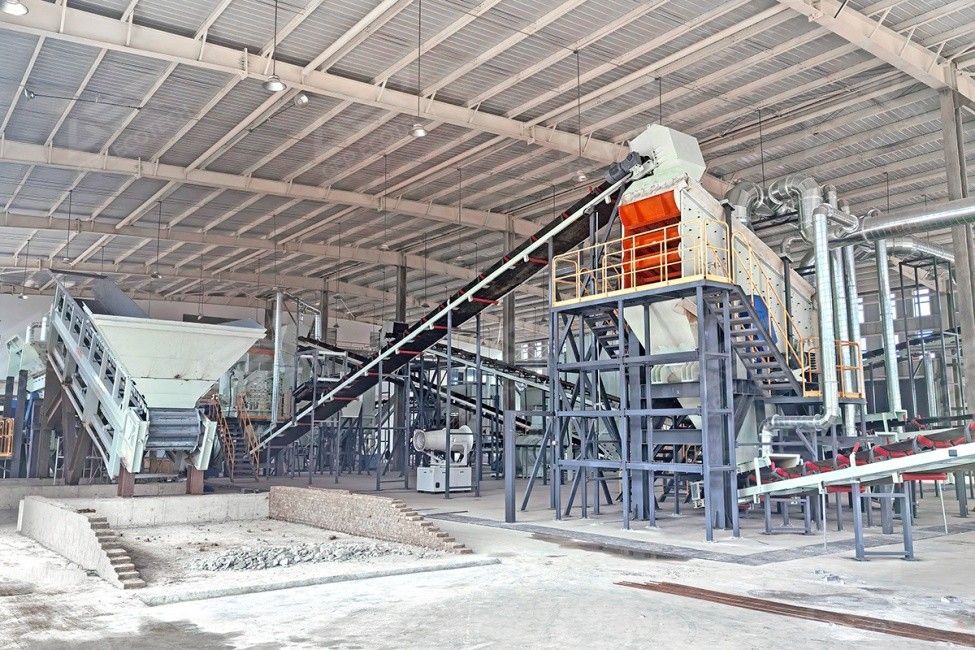
The construction waste that used to be a headache for everyone has now been directly integrated into the complete loop of "disposal brick making application", which not only solves the pain points of local waste disposal, but also provides a stable green profit path for the company. It not only fulfills the environmental responsibility of state-owned enterprises, but also realizes the resource utilization of solid waste in the local area.
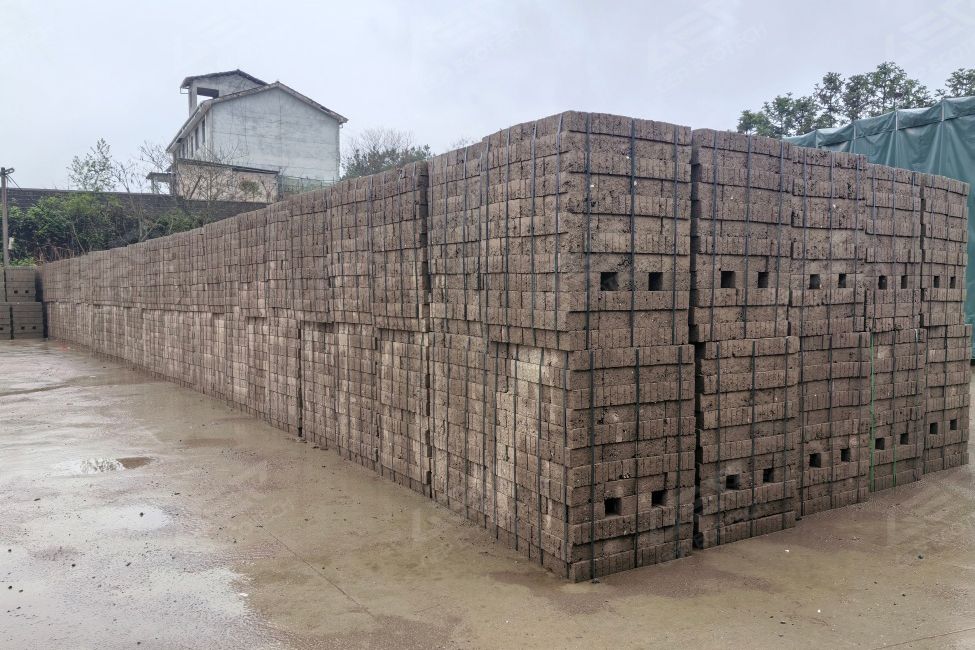
During this period, many colleagues have come to visit and asked me what I value most when choosing a supplier. Every time, I say "reliable" in two words: not playing low price tricks, not shifting blame, and truly solving problems from the customer's perspective. Next, we also plan to move towards a strategic partnership with GEP ECOTECH, replicating the successful model of this project to more surrounding areas, so that more cities' garbage can truly be turned into resources for the right places.