
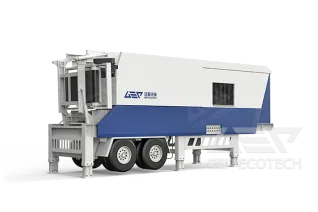
Mobile Shredding Plant
Capacity: 3–40 TPH
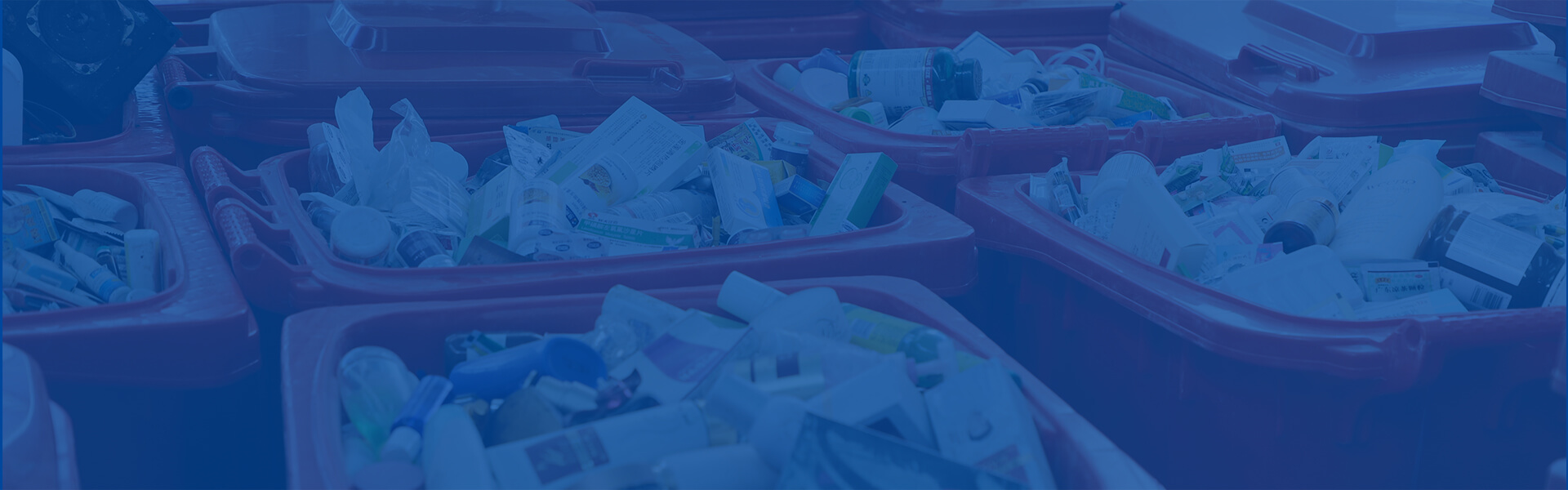
Medical waste refers to hazardous materials generated by healthcare institutions during diagnosis, treatment, prevention, and other related activities, including infectious, pathological, sharps, pharmaceutical, and chemical waste .Common examples include used cotton, gauze, bandages, disposable medical instruments, surgical waste, and expired medicines. Proper shredding plays a crucial role in medical waste management, enabling safe volume reduction and shape destruction, minimizing infection risks, and facilitating subsequent treatment or disposal. This process is essential for ensuring environmental safety and compliance with health.
Expired Drugs
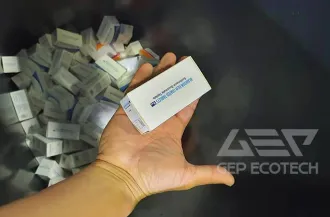
Before Shredding
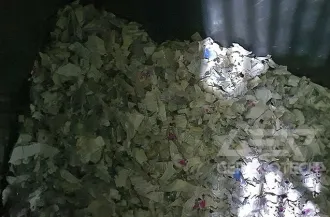
After Shredding
Infusion Container, Needle Tube
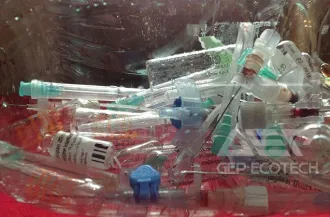
Before Shredding
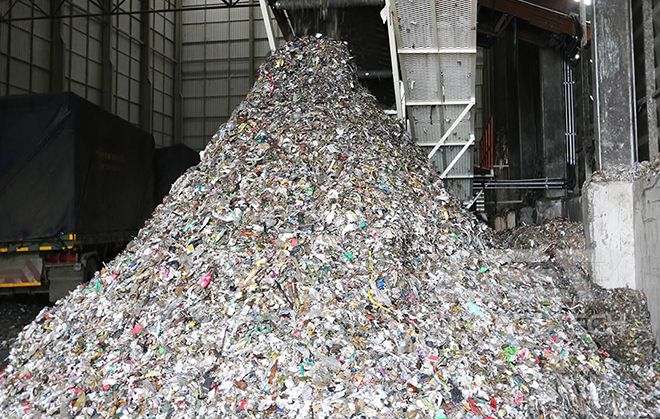
After Shredding
Medical waste is fed into a dedicated shredder, where the material is reduced in size through a combination of shearing between adjacent moving blades and tearing by the teeth on the rotating cutters. This process effectively destroys the shape and reduces the volume of the waste, ensuring safe handling. After shredding, the processed medical waste is transported by specialized waste trucks for final safe disposal.

Belt Conveyor

Double Shaft Shredder

Magnetic Separator

Belt Conveyor
Note: This outlined process represents a general configuration, which is customizable to meet specific feedstock and final product requirements.
Capacity: 3–40 TPH
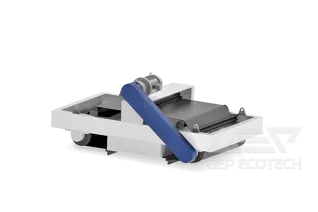
Magnetic Field Strength: 60–70 mT
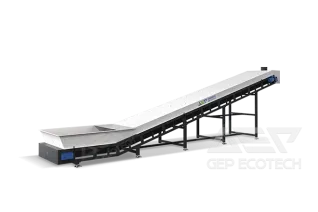
Capacity: 45–560 m³/h
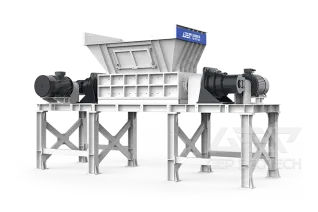
Capacity: 0.2–50 TPH
Your material is not included?
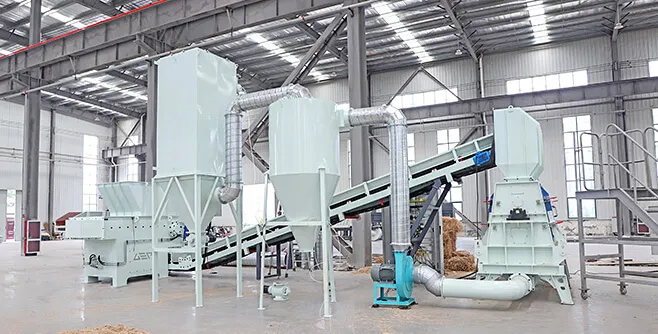
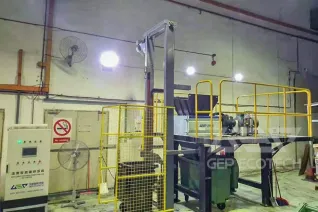
Capacity: 200–500 kgs/Hour
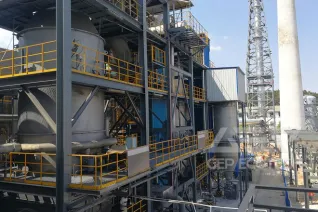
Capacity: 4–10 Tons/Hour
Send your inquiry for further information.