Shredding Waste Disposal System

Shredding Waste Disposal System

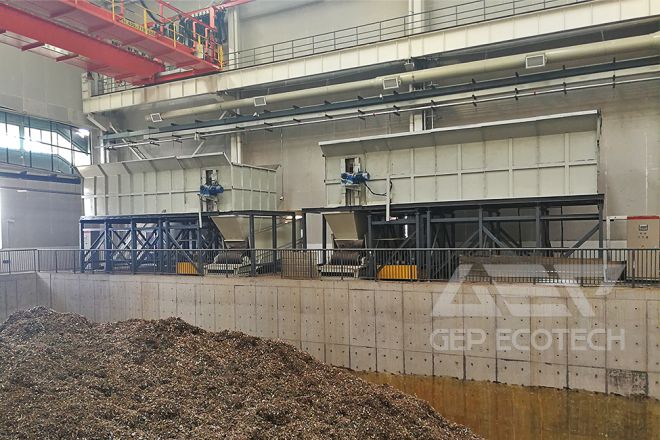
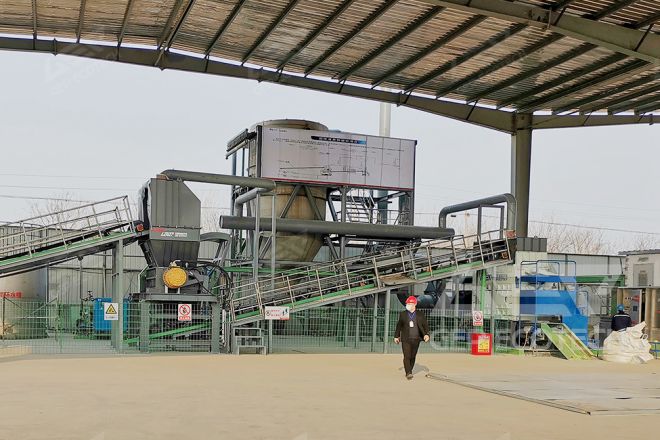
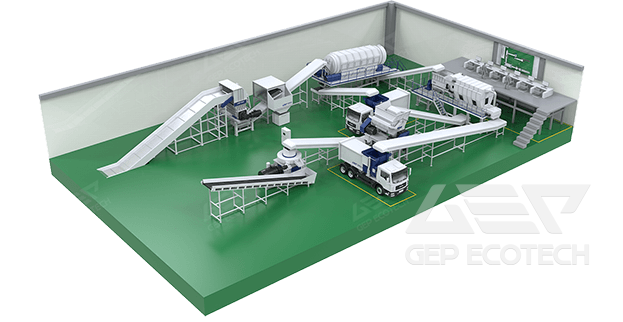
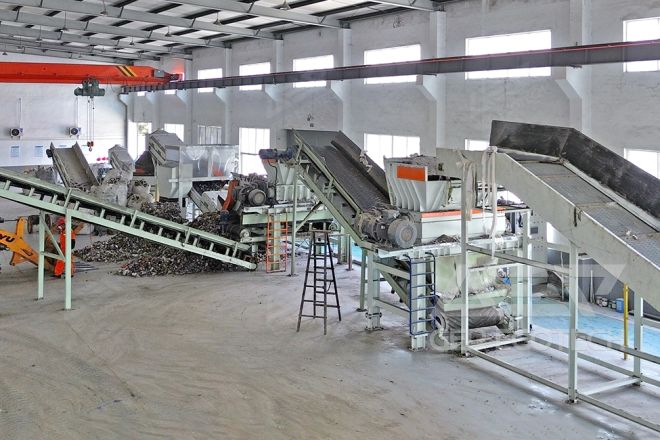
The shredding waste disposal system supplied by GEP ECOTECH can directly feed the whole vehicle, saving front-end transportation costs, saving time and labor, and reducing labor costs. The layout plan can be designed according to the site, and the process is reasonable. Closed dust removal can reduce pollution and improve the working environment.

  • Hazardous Waste Recycling System

    Hazardous Waste Recycling System

    Industry Solution

    GEP ECOTECH has extensive experience in providing shredding, fuel blending, destruction and recycling for the hazardous waste disposal industry. Whether you are recycling materials, disposing of them in a non-hazardous manner or burning them for energy, GEP ECOTECH can provide you with efficient, safe and stable solutions to help hazardous waste disposal companies improve their safety and economic value.Read More
  • Waste Tire Recycling System

    Waste Tire Recycling System

    Industry Solution

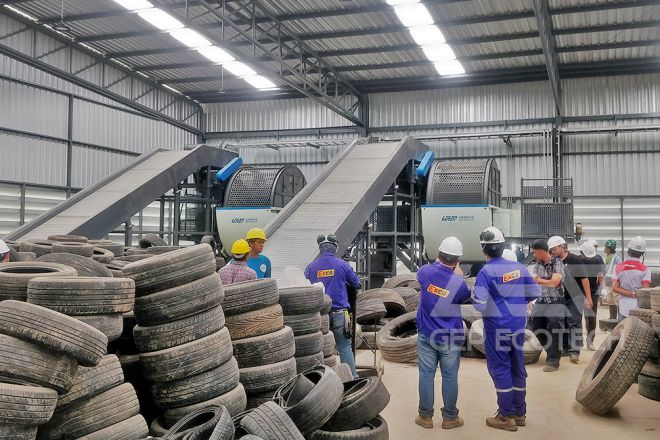
    Waste tires are known as "black gold mines" and are of great recycling value. For example, direct retreading and reuse, recycling steel wire to make steel, rubber grinding to make rubber powder, pyrolysis to make oil, cement rotary kiln or power station alternative fuel (TDF), etc., the benefits are considerable.Read More

  • RDF&SRF Production System

    RDF&SRF Production System

    Industry Solution

    Solid waste is fed into the shredding plant using a belt or feeder to reduce the material to the required size. For most materials, a twin or four-shaft shredder can be used to process the material to the target size in one pass; for piles or bales, a pre shredder can be used to increase production and reduce the wear and tear on the core equipment. Use of an iron remover to remove ferrous materials and windrow or other equipment to remove other materials that cannot be burned. Pressing the material into…Read More

  • MSW Recycling System

    MSW Recycling System

    Industry Solution

    MSW disposal involves volume reduction and sorting. The waste is reduced for further processing using different levels of shredders, then sorting equipment is used to separate the valuable materials from the waste. The higher calorific value materials can be used to make fuel, the organic materials can be made into compost or used for digester fermentation, and the unwanted waste is reduced and buried to reduce landfill space.Read More

  • C&I Waste Recycling System

    C&I Waste Recycling System

    Industry Solution

    The disposal of industrial waste revolves around volume reduction, reuse and recycling. Depending on the characteristics of the material, a multi-stage shredder or crusher is used to reduce the volume of the material; a separator such as an iron separator is used to separate the reusable metals such as iron, aluminium, copper and zinc; other materials can be separated and recycled, some high calorific value materials can be produced as fuel and other worthless materials can be sent to landfills. GEP…Read More

  • Summary of Treatment (Recycling) Methods for Waste Produced by Different Industries (II)

    Summary of Treatment (Recycling) Methods for Waste Produced by Different Industries (II)

    Blog

    Waste paperPaper manufacturing, pulp manufacturing, paper processing product manufacturing, printing and publishing, binding business, as well as waste paper generated during construction demolition processes.Waste paper treatment (recycling) methods1. Recycle as papermaking raw materials.2. Recycle into RDF.3. Incineration or landfill.Wood wasteThis includes wood waste generated from construction sites, wood waste generated from the pulp manufacturing industry, wood waste generated from the manufacturing…Read More

  • Summary of Treatment (Recycling) Methods for Waste Produced by Different Industries (I)

    Summary of Treatment (Recycling) Methods for Waste Produced by Different Industries (I)

    Blog

    Waste plasticSolid and liquid waste plastics such as synthetic resin waste, synthetic rubber, and synthetic fiber waste generated in industrial and commercial activities, as well as synthetic leather waste and residual rubber, also belong to waste plastics.Waste plastic treatment (recycling) methods1. Material recycling, which involves melting waste plastic into thin sheets or particles, is a method of using it as a raw material for plastic products.2. Chemical recycling refers to the method of recycling…Read More

  • GEP ECOTECH's Solid Waste Disposal System Helps Cement Kilns Reduce Costs and Increase Efficiency

    GEP ECOTECH's Solid Waste Disposal System Helps Cement Kilns Reduce Costs and Increase Efficiency

    News

    Cement production is an industry that consumes large amounts of energy and resources. Subject to the rate of economic development, public infrastructure construction and the downturn in the real estate and other industries with immediate needs, the cement industry has long had excess capacity and competition has further escalated in a white-hot manner. In this context, it is crucial for cement companies to broaden their markets and reduce costs to achieve open source savings.As far as the current market…Read More

Send your inquiry for further information.

Data is protected with encryption.

TOP